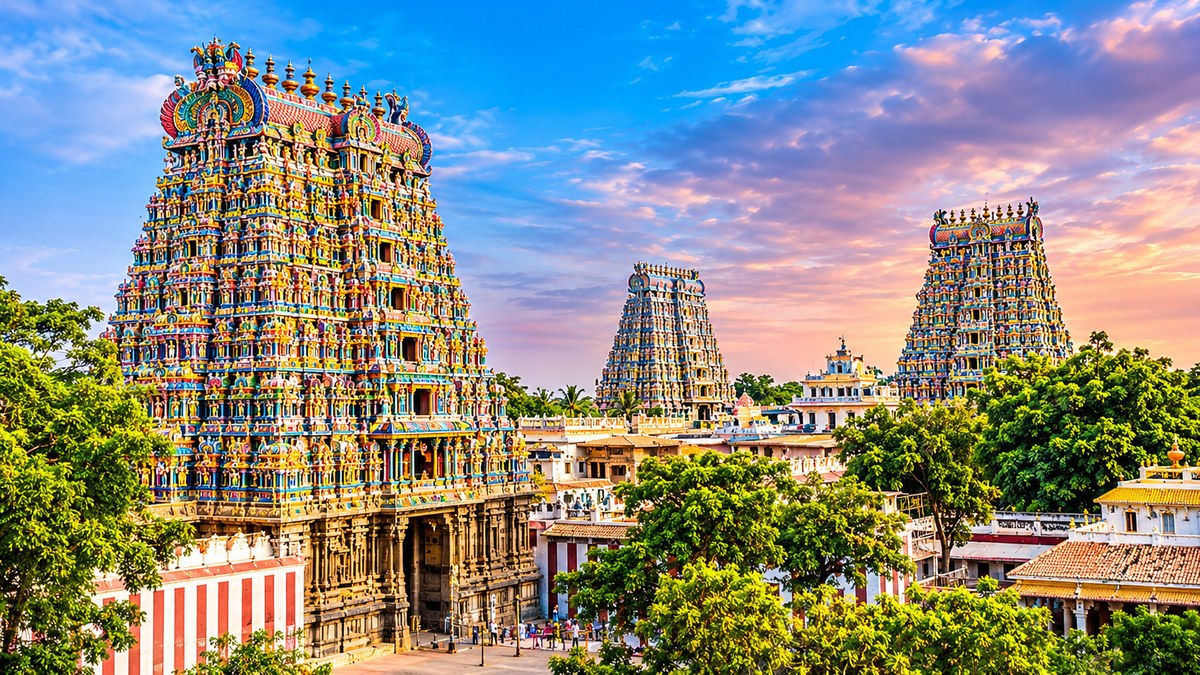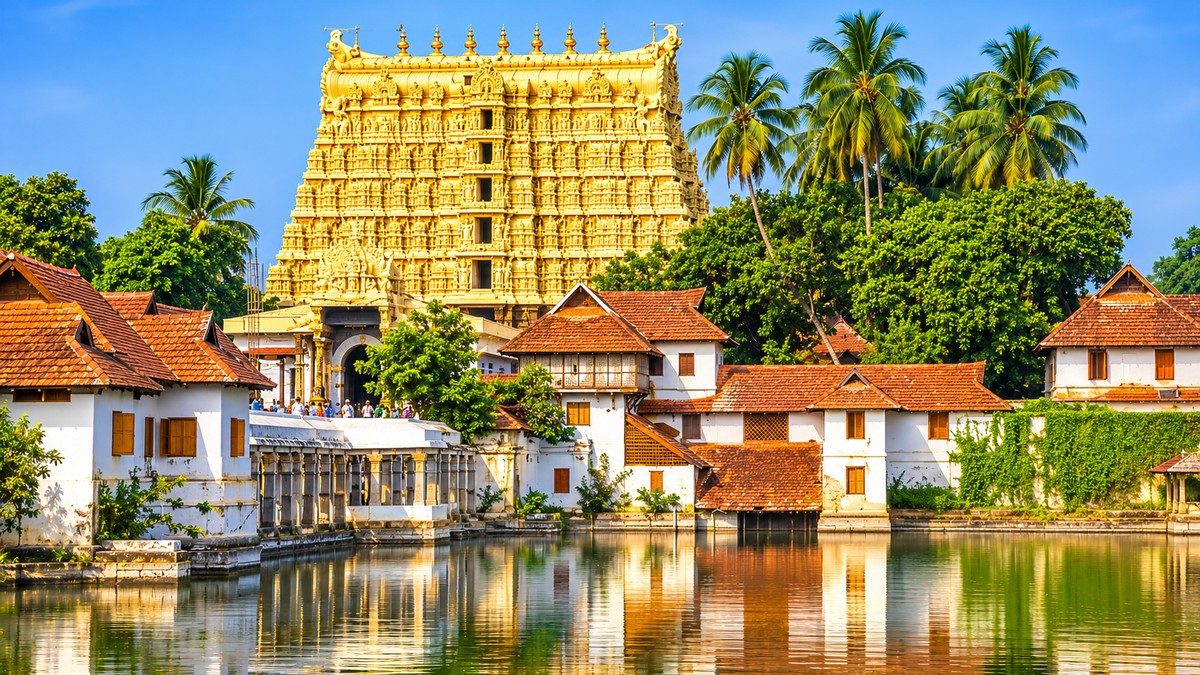
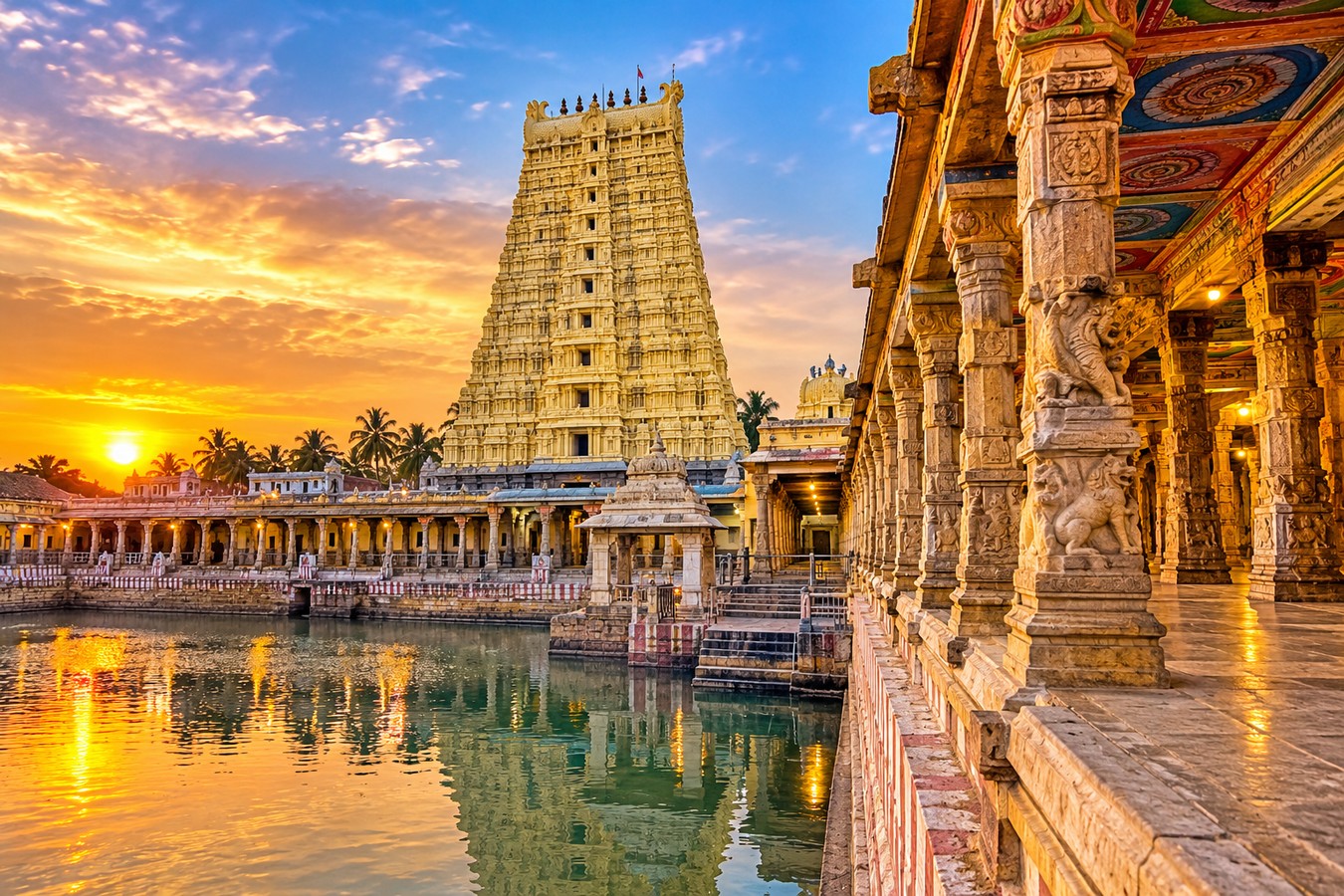
Discover the spiritual heart of Rameswaram — from the magnificent Ramanathaswamy Temple and sacred Theerthams to Agni Theertham, Dhanushkodi and the legendary landscapes associated with the Ramayana tradition.
Rameswaram, located on Pamban Island in Tamil Nadu, is one of India's most revered pilgrimage destinations. For Hindu pilgrims, the town is closely associated with Lord Rama, the sacred Ramanathaswamy Temple and the spiritual tradition of pilgrimage to the southern end of the Indian subcontinent.
Beyond its religious importance, Rameswaram offers a fascinating combination of temple architecture, sacred bathing traditions, coastal landscapes and places connected with the Ramayana. It is therefore much more than a temple visit — it is a deeply meaningful spiritual journey.
- Destination: Rameswaram, Tamil Nadu
- Main Pilgrimage: Ramanathaswamy Temple
- Important Sacred Sites: Agni Theertham, 22 Theerthams, Gandhamadhana Parvatham and Kothandaramaswamy Temple
- Nearby Highlights: Dhanushkodi, Pamban Bridge and A.P.J. Abdul Kalam Memorial
- Ideal Duration: 2 days for a comfortable pilgrimage and sightseeing experience
Why Rameswaram Is Important for Pilgrims
Rameswaram holds a special place in Hindu pilgrimage tradition and is traditionally regarded as one of the important sacred destinations of India. The town is especially associated with Lord Rama and the worship of Lord Shiva at Ramanathaswamy Temple.
The spiritual experience here combines temple worship, sacred water traditions, prayers and visits to places associated with the Ramayana. For many pilgrims, Rameswaram is also an important destination for completing a South India pilgrimage circuit.
Ramanathaswamy Temple – The Spiritual Heart of Rameswaram
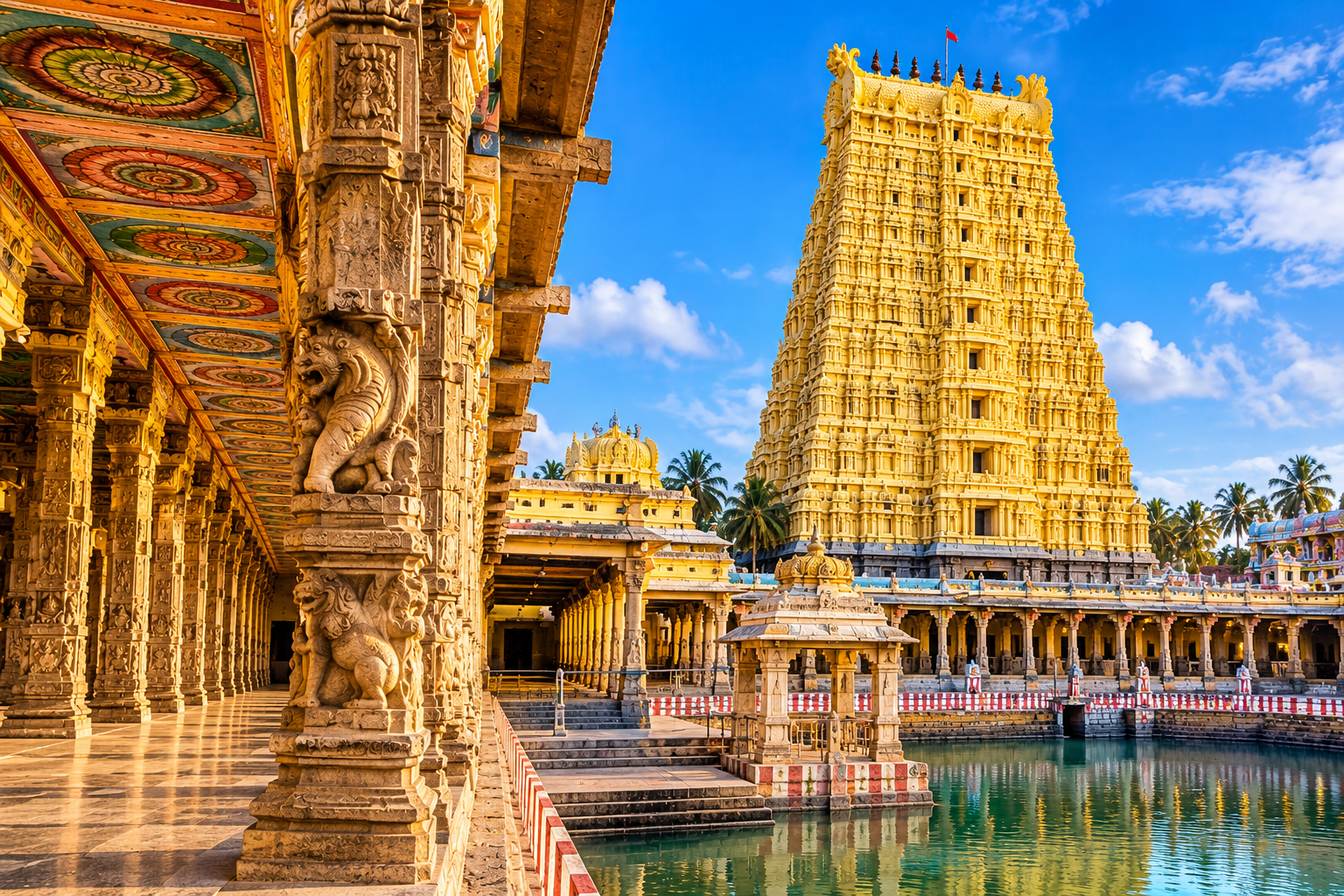
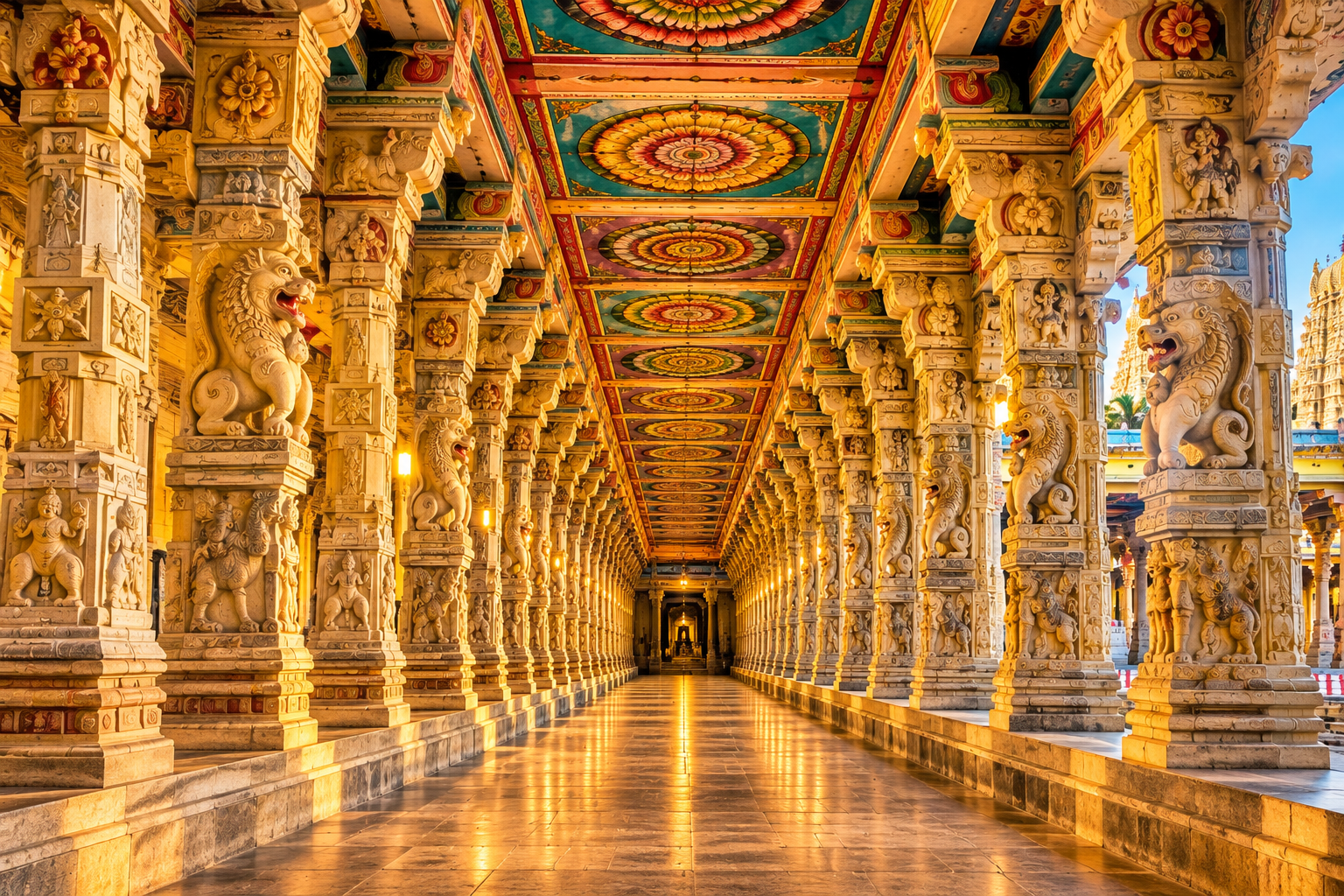
The magnificent Ramanathaswamy Temple is the centrepiece of a pilgrimage to Rameswaram. Dedicated to Lord Shiva, the temple is renowned for its Dravidian architecture, long corridors, intricately carved pillars and sacred atmosphere.
The temple's celebrated corridors are among the most impressive features of the complex. Walking through these vast pillared spaces is an important part of the temple experience, allowing pilgrims to appreciate both its religious significance and architectural heritage.
Temple Visit Tips
- Dress modestly and respectfully for the temple visit.
- Allow sufficient time for darshan, especially during busy pilgrimage periods.
- Follow temple instructions regarding photography, footwear and entry.
- Check the latest official temple arrangements before planning special rituals or services.
The 22 Theerthams of Ramanathaswamy Temple
One of the most distinctive traditions associated with Rameswaram pilgrimage is the visit to the temple's 22 Theerthams. These sacred water sources are traditionally associated with purification and form an important part of the pilgrimage experience.
The Theertham tradition is not simply a sightseeing activity. Pilgrims generally follow the prescribed sequence and local temple arrangements, making it important to understand the process beforehand and follow the instructions of temple authorities and staff.
Agni Theertham
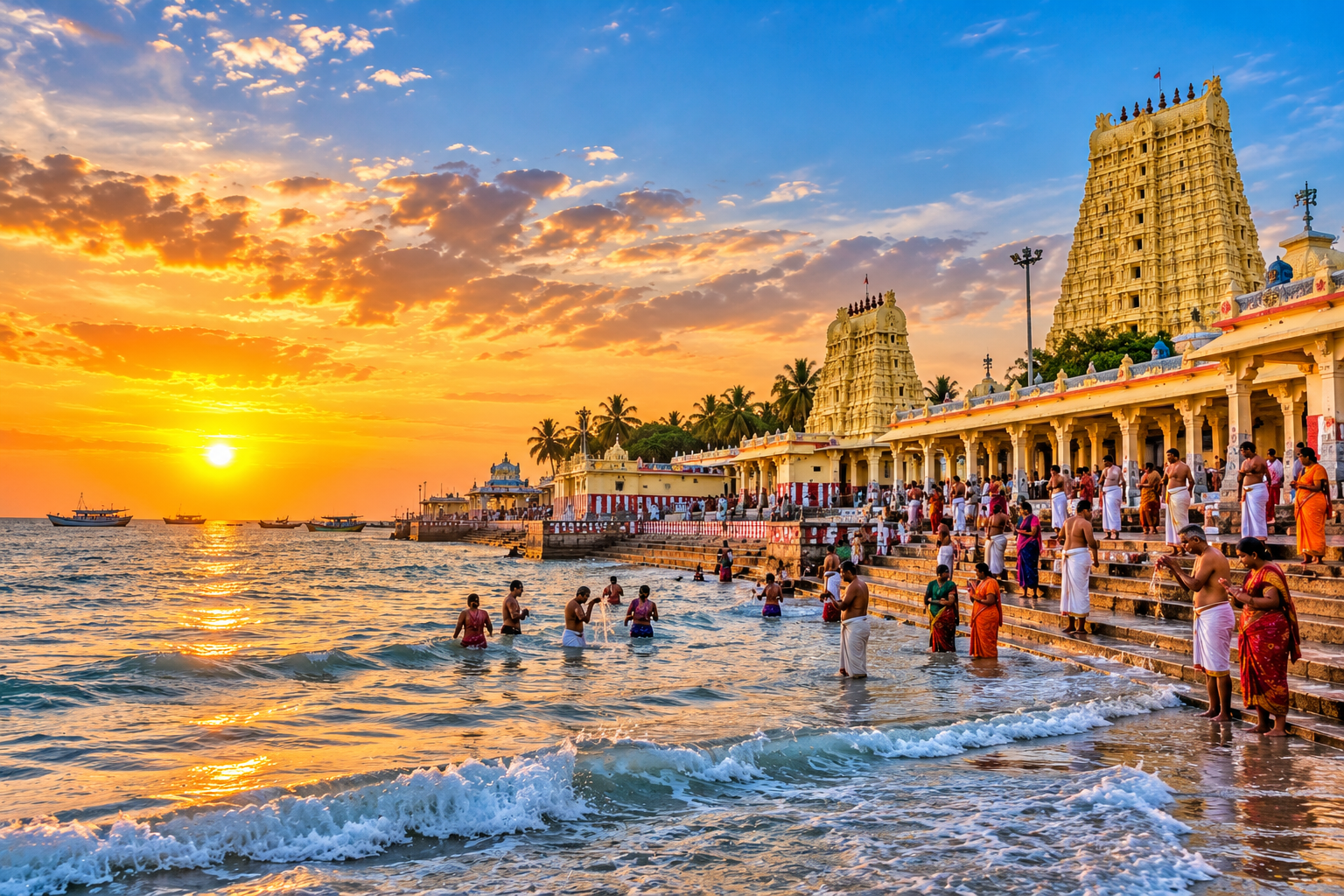
Located close to Ramanathaswamy Temple, Agni Theertham is one of the best-known sacred bathing places in Rameswaram. Pilgrims traditionally visit the seashore here as part of their spiritual journey.
The location also offers a peaceful view of the sea and provides an important connection between Rameswaram's temple traditions and its coastal landscape.
Rameswaram and the Ramayana Tradition
Rameswaram is deeply connected with the Ramayana tradition. According to Hindu belief and sacred tradition, Lord Rama worshipped Lord Shiva here before proceeding with the events associated with Lanka.
The wider Rameswaram region contains several places that are traditionally connected with episodes of the Ramayana. These stories form an important part of the spiritual identity of the destination and are best understood as part of its long-standing religious tradition.
Important Places to Visit in Rameswaram
Panchmukhi Hanuman Temple
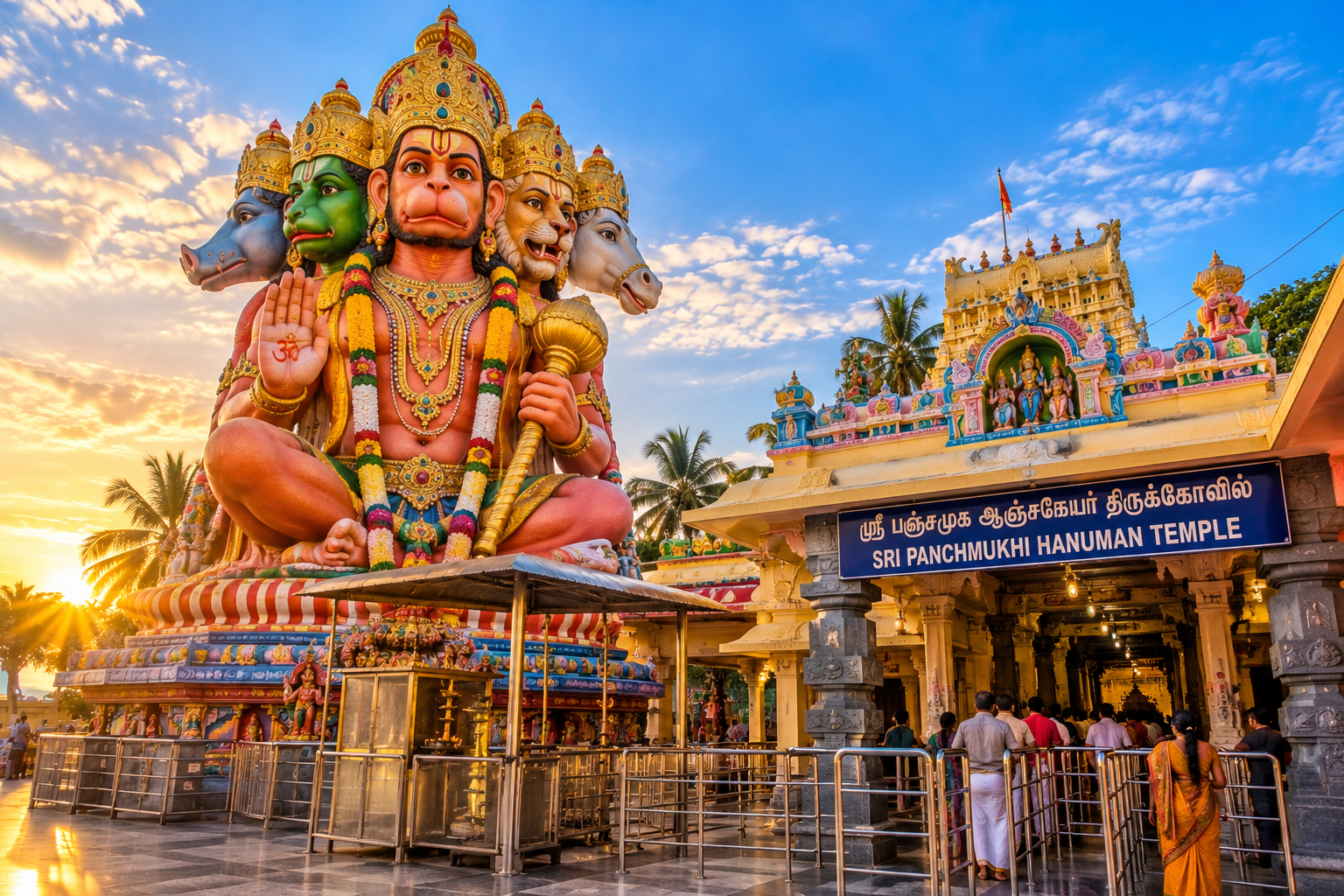
This temple is associated with Lord Hanuman and is an important stop for pilgrims exploring Rameswaram's religious heritage. The site is particularly popular among visitors interested in the Ramayana tradition.
Gandhamadhana Parvatham
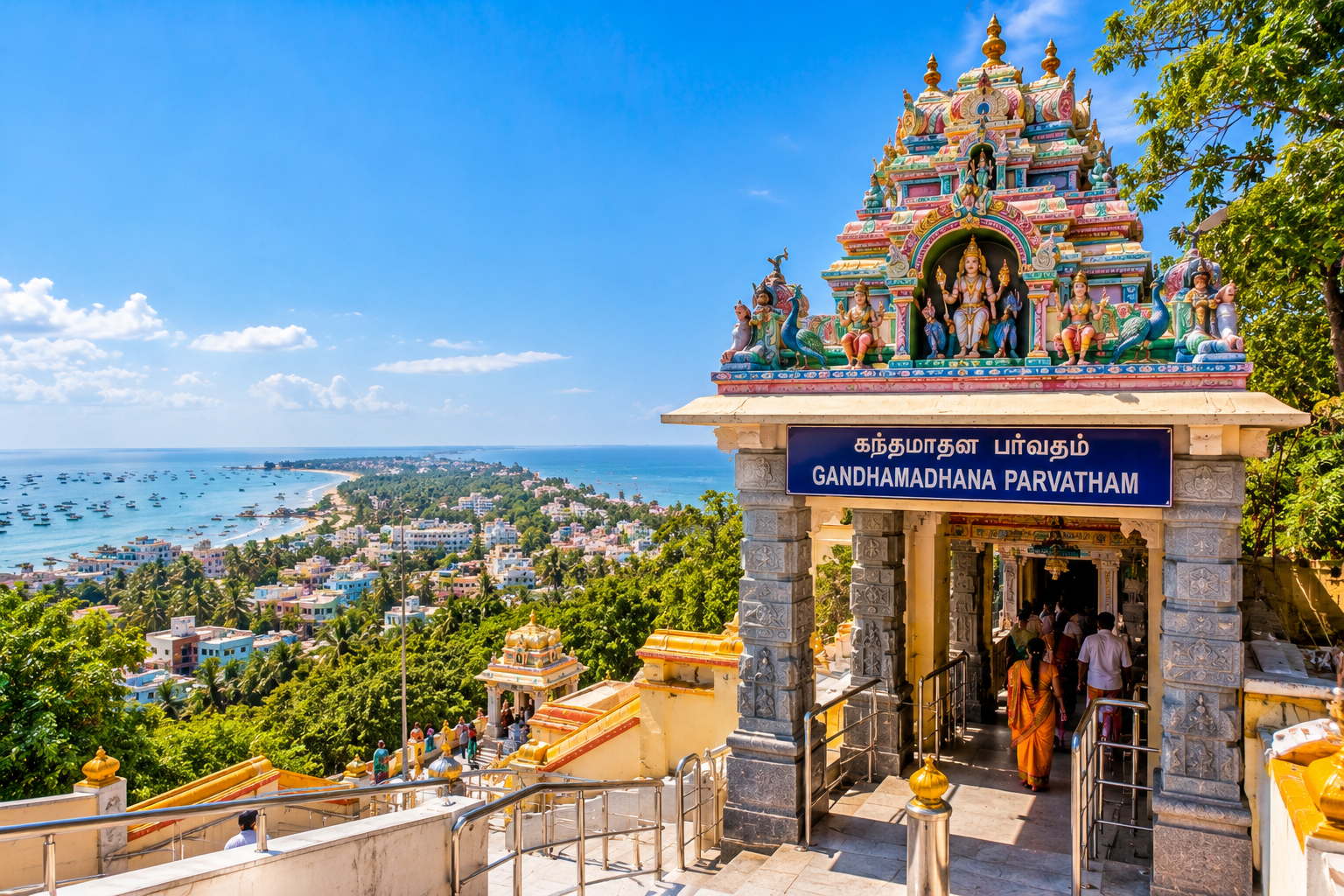
Gandhamadhana Parvatham is traditionally associated with Lord Rama and is known for its elevated location and spiritual importance. Visitors can also enjoy a broader view of the island from this area.
Kothandaramaswamy Temple
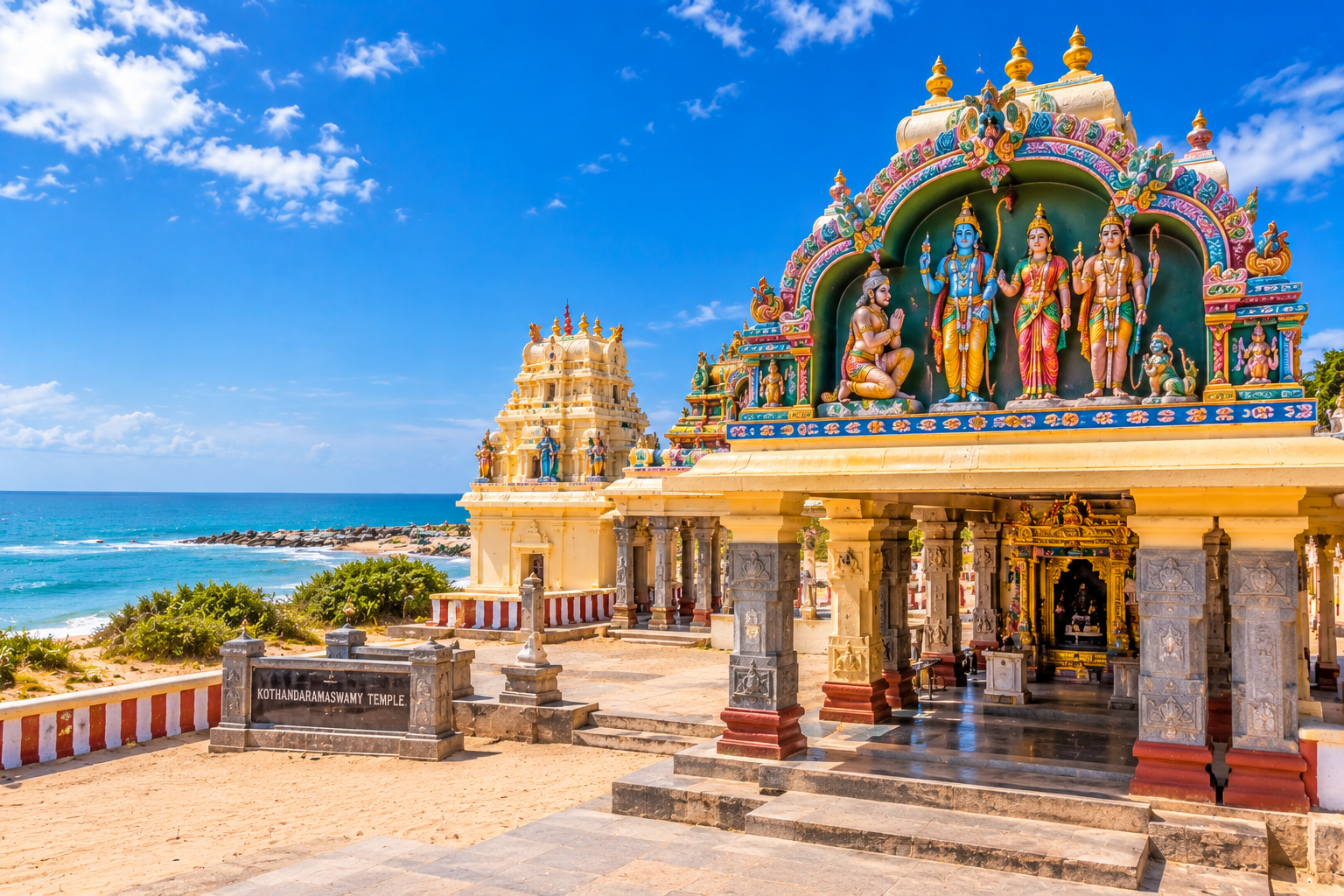
Located towards the Dhanushkodi side, Kothandaramaswamy Temple is another significant religious site connected with the Ramayana tradition. Its coastal setting adds to the peaceful atmosphere of the visit.
A.P.J. Abdul Kalam Memorial
Rameswaram is also the birthplace of Dr. A.P.J. Abdul Kalam, India's former President and renowned scientist. The memorial provides a different dimension to the destination, connecting Rameswaram's spiritual heritage with modern India's scientific and national history.

Dhanushkodi – Where Spiritual Tradition Meets the Sea
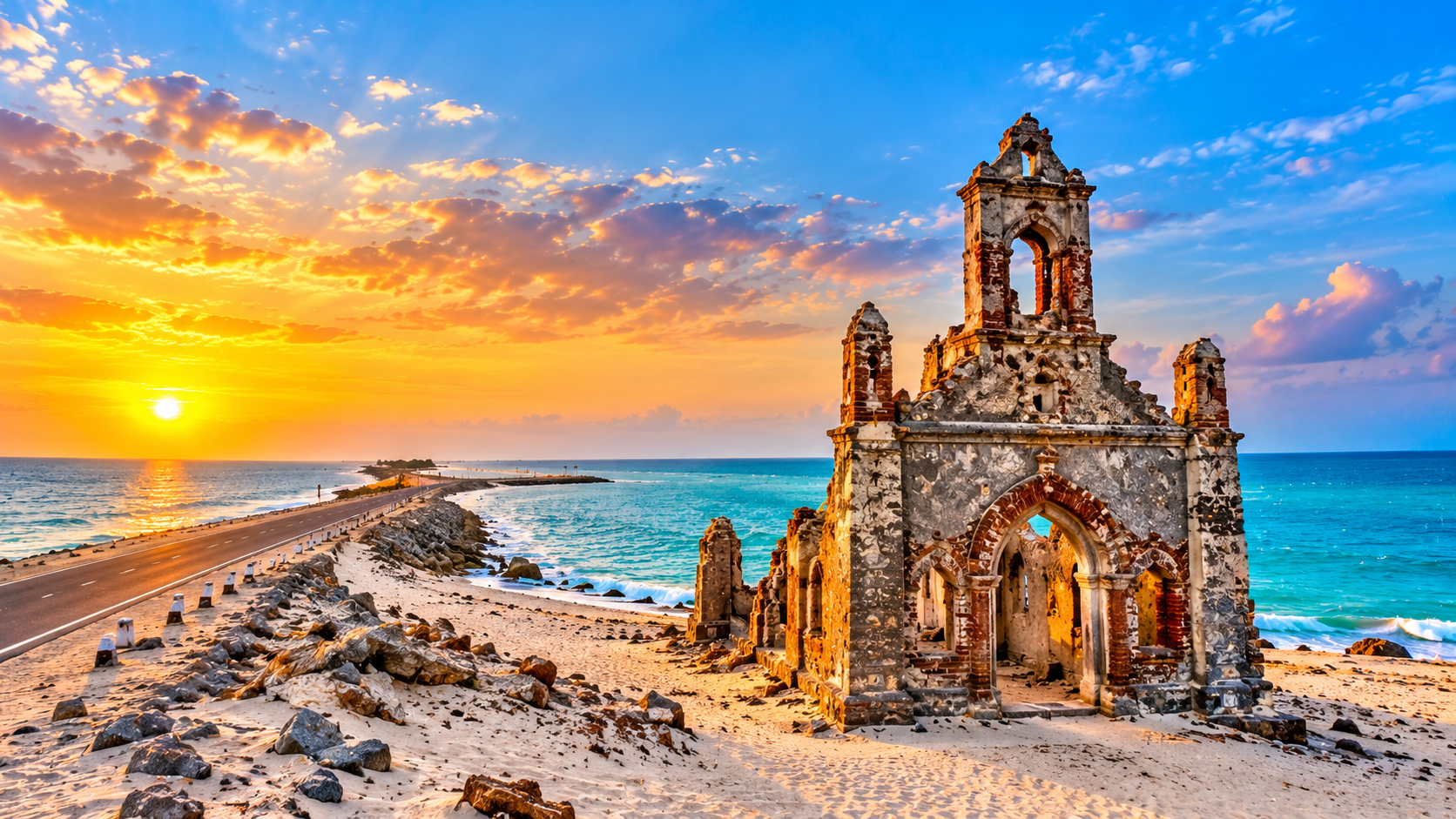
Dhanushkodi is one of the most dramatic places to visit near Rameswaram. Located at the southeastern tip of the island, it is surrounded by the sea and is strongly associated with the Ramayana tradition.
The landscape here is striking, with wide coastal views, changing skies and a sense of isolation that makes the journey memorable. The site is also known for the remains of the old settlement, which was severely affected by the 1964 cyclone.
Pamban Bridge
The journey to Rameswaram itself is part of the experience. The Pamban Bridge connects the island region with mainland Tamil Nadu and provides an impressive introduction to the coastal landscape of Rameswaram.
Depending on the route and current railway or road arrangements, visitors can experience the distinctive setting of the Pamban region before continuing towards Rameswaram town.

Best Time to Visit Rameswaram
Rameswaram can be visited throughout much of the year, but the most comfortable months for pilgrimage and sightseeing are generally during the cooler and drier period.
- October to March: Comfortable for temple visits and sightseeing.
- April to June: Hot, so early-morning sightseeing is preferable.
- July to September: Weather can be variable, so check local conditions before travelling.
Major festivals and religious occasions can bring large numbers of pilgrims. If you prefer a quieter experience, plan your visit outside peak festival periods.
How to Reach Rameswaram
By Air
The nearest practical airports for many travellers are Madurai Airport and other regional airports depending on the overall itinerary. Madurai is commonly combined with Rameswaram in a Tamil Nadu pilgrimage circuit.
By Train
Rameswaram is connected by rail with major cities in Tamil Nadu and other parts of India. Train schedules can change, so it is advisable to check the latest availability before confirming your journey.
By Road
Rameswaram is well connected by road with Madurai, Ramanathapuram and other important destinations in Tamil Nadu. A private vehicle can be particularly convenient for pilgrims wishing to visit multiple sacred sites at a comfortable pace.
Suggested 2-Day Rameswaram Pilgrimage Itinerary
Day 01: Arrive Rameswaram – Temple & Sacred Sites
Arrive in Rameswaram and check in to your hotel. Depending on arrival time, begin your pilgrimage with a visit to Agni Theertham followed by Ramanathaswamy Temple. Explore the temple's magnificent corridors and sacred traditions at a comfortable pace.
Later, visit nearby pilgrimage sites such as Panchmukhi Hanuman Temple and Gandhamadhana Parvatham. Return to the hotel for a relaxed evening.
Day 02: Dhanushkodi – Kothandaramaswamy Temple – Departure
After breakfast, proceed towards Dhanushkodi. Visit Kothandaramaswamy Temple and enjoy the unique coastal landscape. Depending on your departure schedule, visit the A.P.J. Abdul Kalam Memorial before continuing your onward journey.
For senior citizens and families, a private vehicle with a flexible schedule makes the Rameswaram pilgrimage much more comfortable. Start temple visits early and keep sufficient time for rest between sightseeing stops.
Rameswaram Travel Tips for Pilgrims
- Wear comfortable and modest clothing for temple visits.
- Carry drinking water, especially during warmer months.
- Keep some flexibility in your schedule for temple queues and local arrangements.
- For senior travellers, avoid rushing between multiple sites.
- Confirm current temple timings and ritual arrangements before travel.
- Keep your footwear and personal belongings organised during temple visits.
- For Dhanushkodi, check local road and weather conditions before departure.
- Combine Rameswaram with Madurai for a well-rounded Tamil Nadu pilgrimage journey.
Why Choose Divine Discovery Tours for a Rameswaram Pilgrimage
Divine Discovery Tours specialises in pilgrimage journeys across India, with a focus on thoughtfully planned spiritual travel for families, groups and NRI travellers.
- Customised pilgrimage itineraries
- Comfortable private transportation
- Experienced local assistance
- Hotel arrangements suited to the traveller's requirements
- Flexible pacing for families and senior travellers
- 24×7 travel assistance
Whether you are planning Rameswaram alone or combining it with Madurai, Tamil Nadu temple destinations or a wider South India pilgrimage, the itinerary can be designed around your preferred pace and travel requirements.
Frequently Asked Questions About Rameswaram
How many days are enough for Rameswaram?
Two days are generally comfortable for visiting Ramanathaswamy Temple, important Theerthams and the main nearby pilgrimage and heritage sites.
What is the main temple in Rameswaram?
Ramanathaswamy Temple is the principal pilgrimage temple of Rameswaram and is dedicated to Lord Shiva.
What are the 22 Theerthams in Rameswaram?
The 22 Theerthams are sacred water sources within the Ramanathaswamy Temple tradition. Pilgrims traditionally visit them as part of the pilgrimage experience.
Is Dhanushkodi worth visiting?
Yes. Dhanushkodi is particularly worthwhile for travellers interested in the Ramayana tradition, coastal landscapes and the history of the old settlement.
Can Rameswaram be combined with Madurai?
Yes. Madurai and Rameswaram make a natural combination for a Tamil Nadu pilgrimage itinerary, allowing travellers to experience two important spiritual destinations in one journey.
What is the best time to visit Rameswaram?
The cooler months from October to March are generally more comfortable for pilgrimage and sightseeing, although Rameswaram can be visited throughout the year.
Conclusion
Rameswaram is a destination where spirituality, sacred tradition, architecture, history and the sea come together in a remarkably powerful way. From the grandeur of Ramanathaswamy Temple and the sacred Theerthams to Agni Theertham, Dhanushkodi and the places associated with the Ramayana tradition, every part of the journey offers a different dimension of South India's spiritual heritage.
With thoughtful planning and a comfortable pace, a Rameswaram pilgrimage can become a deeply memorable journey for families, senior travellers, NRI pilgrims and spiritual seekers.
Let us create a comfortable and meaningful Rameswaram pilgrimage itinerary based on your travel dates, preferred hotels, transportation requirements and sightseeing preferences.
Enquire with Divine Discovery Tours for a customised Rameswaram pilgrimage journey..