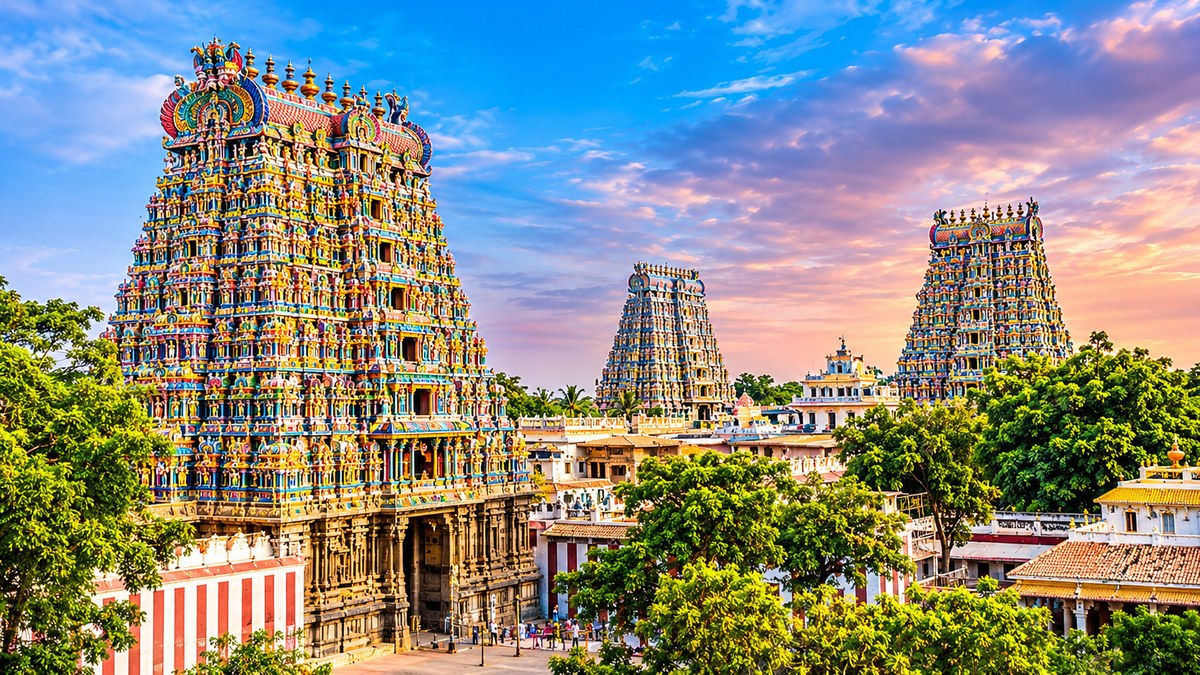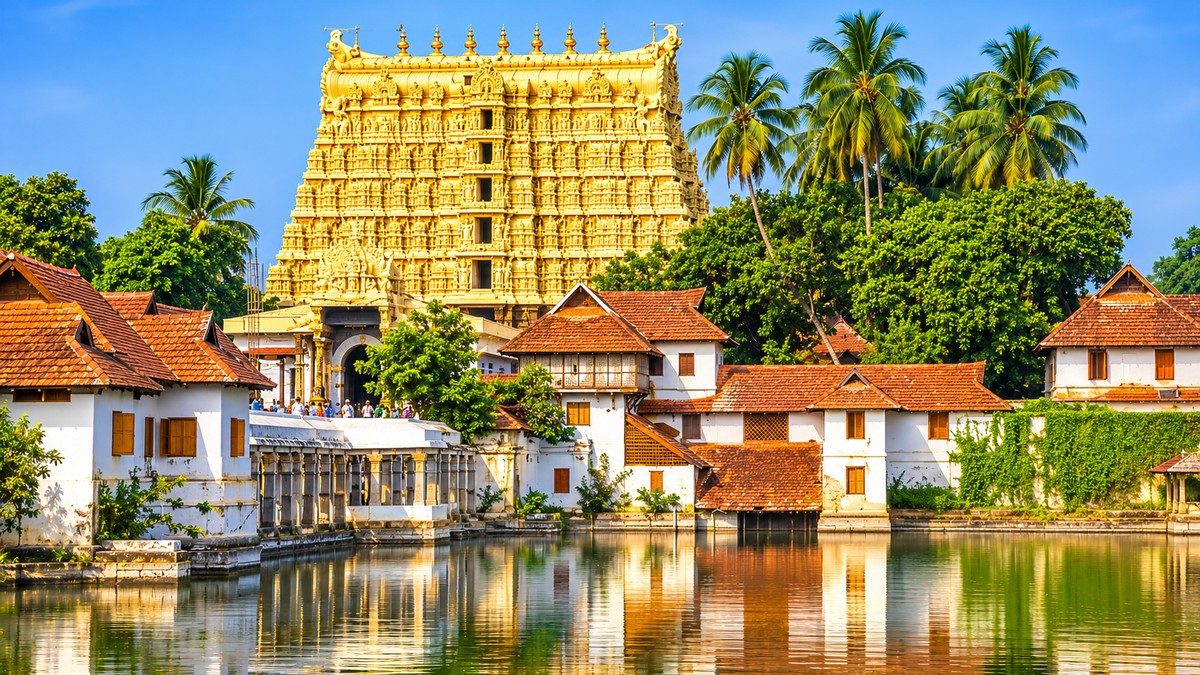

Explore Prayagraj, the sacred city of Triveni Sangam, through its ancient temples, holy ghats, Akshay Vat, revered Hanuman Temple and centuries-old pilgrimage traditions.
Prayagraj is one of India's most important pilgrimage destinations. Known historically as Prayag and traditionally revered as Teerthraj – the King of Pilgrimages, the city is famous for the sacred confluence of the Ganga, Yamuna and the believed subterranean Saraswati at Triveni Sangam. Prayagraj
For pilgrims, a journey to Prayagraj is not simply a sightseeing trip. It is an opportunity to experience the spiritual atmosphere of the Sangam, visit ancient temples, take part in sacred rituals and explore a city whose religious importance has continued for centuries.“...travellers can explore Prayagraj Pilgrimage Tours designed around their interests and travel pace.”
Why Visit Prayagraj for Pilgrimage?
Prayagraj combines sacred rivers, temples, ancient traditions and major Hindu festivals in one destination.
The city is especially known for:
- Triveni Sangam
- Sacred river bathing
- Bade Hanuman Ji Temple
- Akshay Vat
- Patalpuri Temple
- Mankameshwar Temple
- Veni Madhav Temple
- Nag Vasuki Temple
- Alopi Devi Temple
- Bhardwaj Ashram
- Shankar Viman Mandapam
- Kumbh and Magh Mela traditions
The official Prayagraj district tourism portal describes the city as an important pilgrimage centre and highlights its combination of religion, traditions, history and architecture. Prayagraj
Triveni Sangam – The Spiritual Heart of Prayagraj
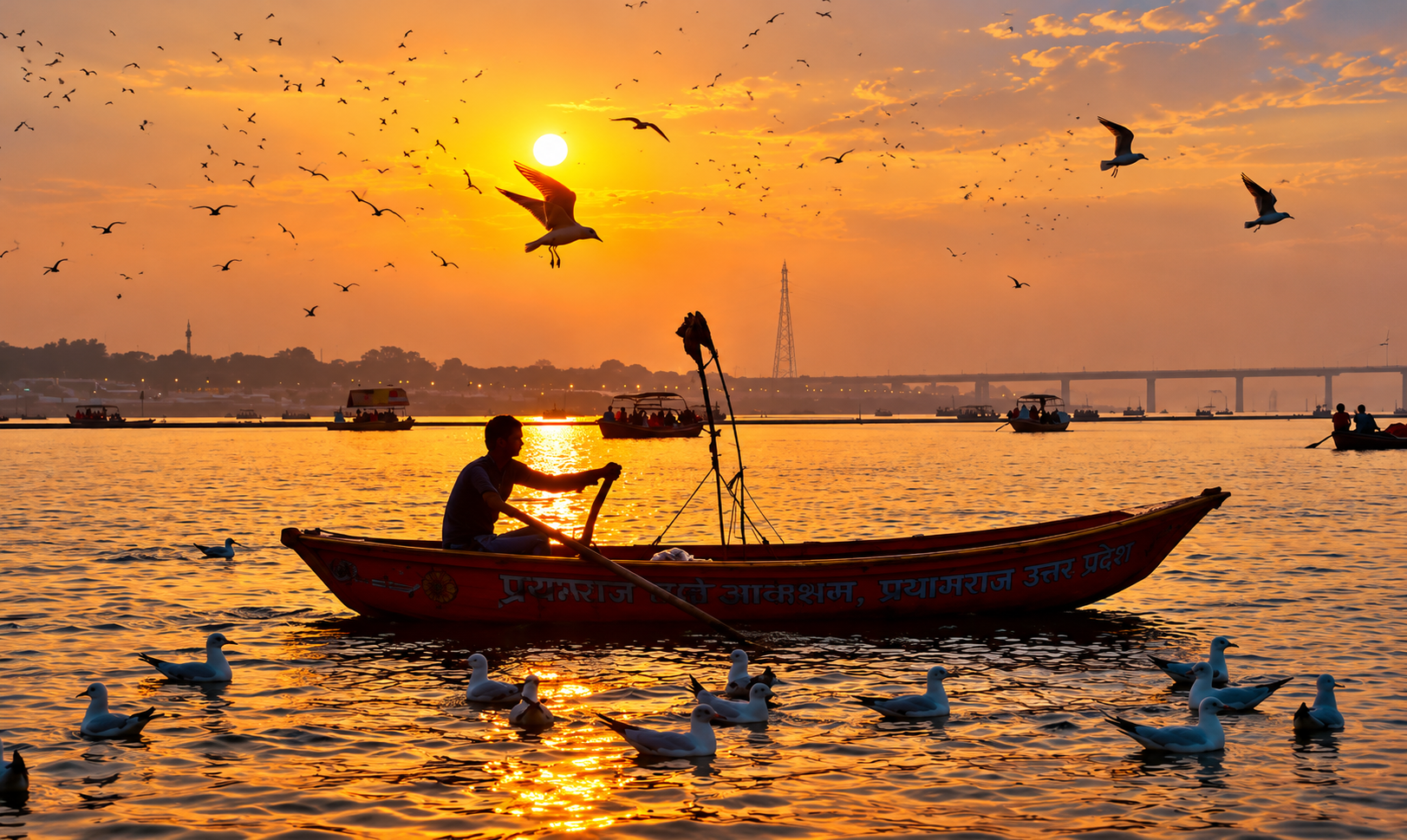

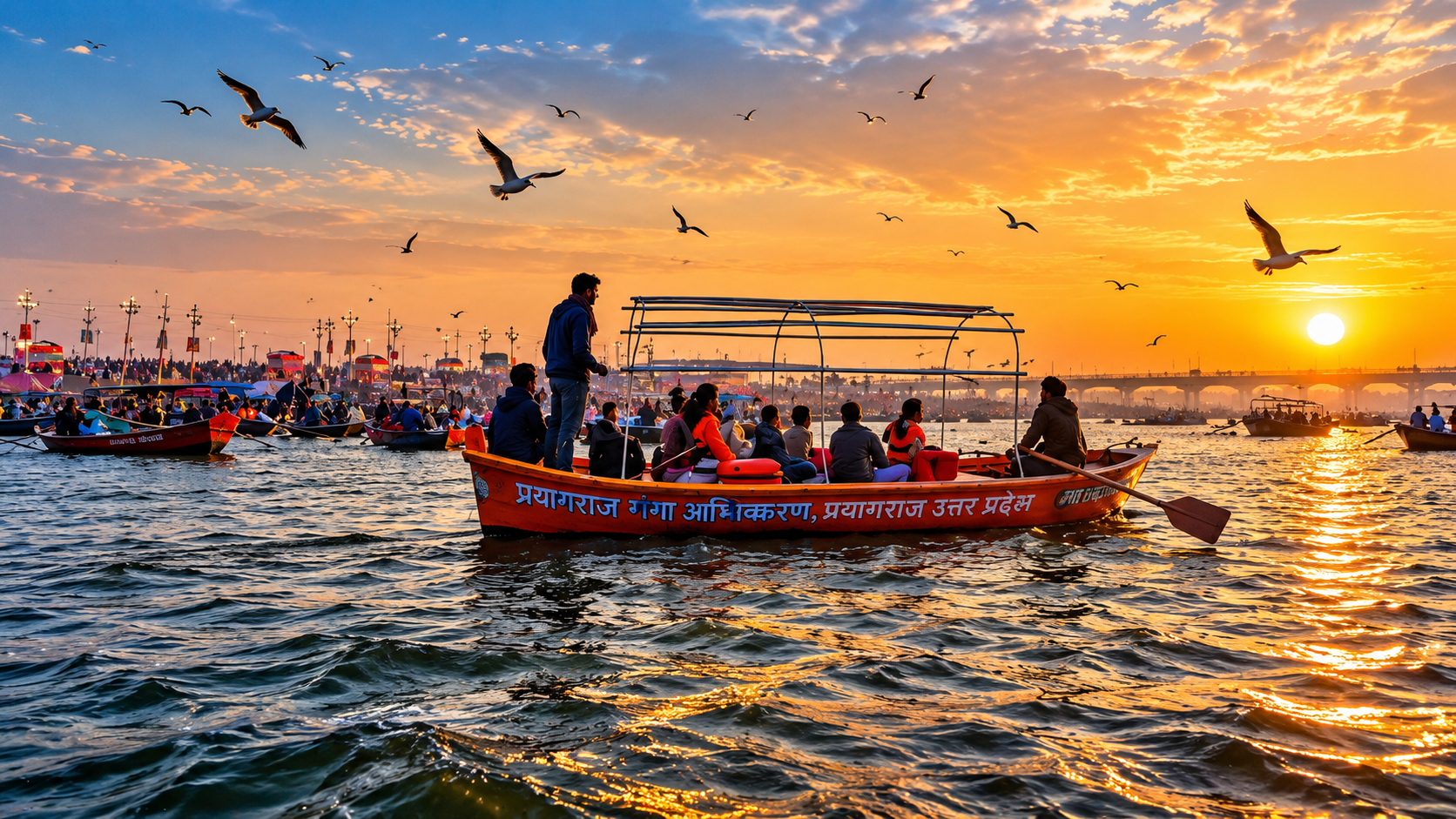
The Triveni Sangam is the centrepiece of any Prayagraj pilgrimage.
It is traditionally regarded as the meeting point of the Ganga, Yamuna and invisible Saraswati. The Ganga is generally identified by its lighter water and the Yamuna by its darker tone, while Saraswati is believed to meet the two beneath the surface.
The Sangam is located around 7 km from the Civil Lines area, and pilgrims can traditionally reach the confluence by boat. Prayagraj
Triveni Sangam is a comfortable and well-planned pilgrimage journey can make the experience more meaningful.”
Sangam Snan
A sacred bath at the Sangam is one of the most important pilgrimage experiences in Prayagraj.
Many pilgrims visit early in the morning, take a holy dip and offer prayers before continuing their temple visits.
For a comfortable pilgrimage tour, we recommend an early-morning Sangam visit when the atmosphere is generally peaceful and the light is excellent for photography.
Bade Hanuman Ji Temple
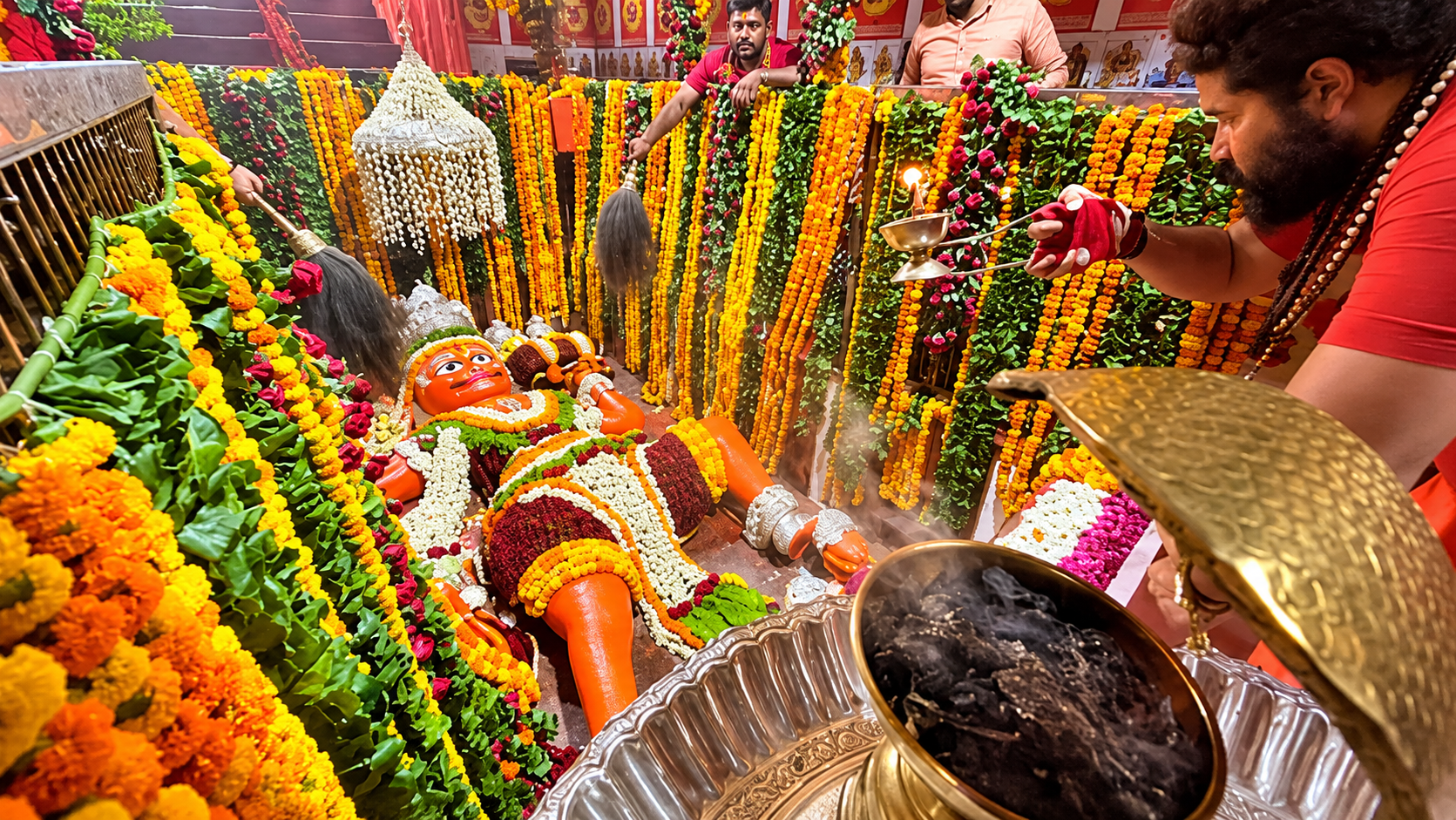
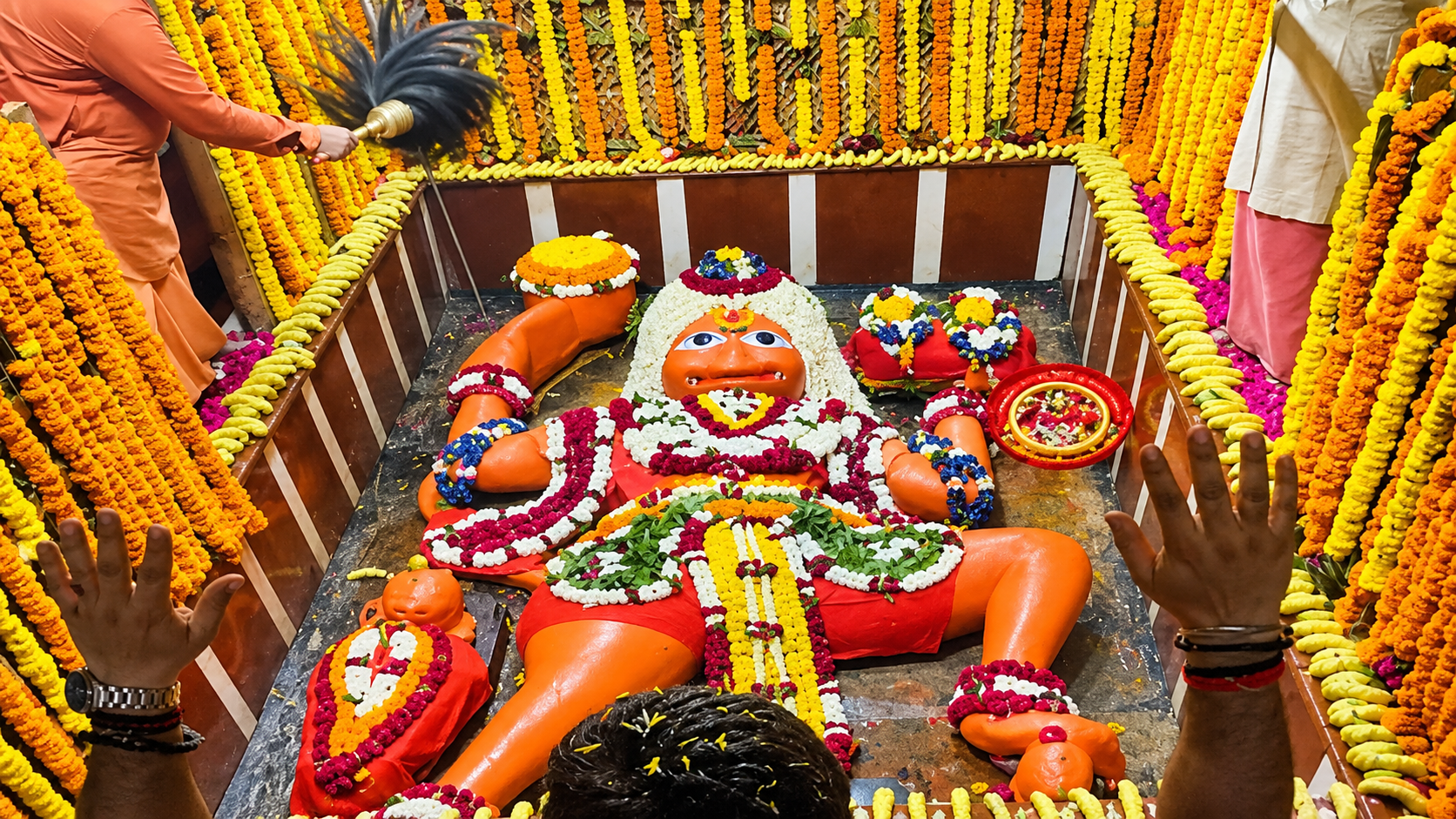
Visitors can also explore other sacred places in India as part of a wider spiritual journey.” Located near the Ganga in Daraganj, Shri Lete Hue Hanuman Ji Temple is one of Prayagraj's most famous religious sites.
The temple is popularly known as Bade Hanuman Ji, Lete Hanuman or Fort Hanuman.
The distinctive reclining image of Hanuman Ji is believed to be approximately 20 feet long. The temple complex also contains shrines associated with Shiva-Parvati, Ganesha, Bhairav, Durga, Kali and the Navgrahas. Prayagraj
A visit here should be an essential part of a Prayagraj pilgrimage itinerary.
Akshay Vat – The Immortal Banyan Tree
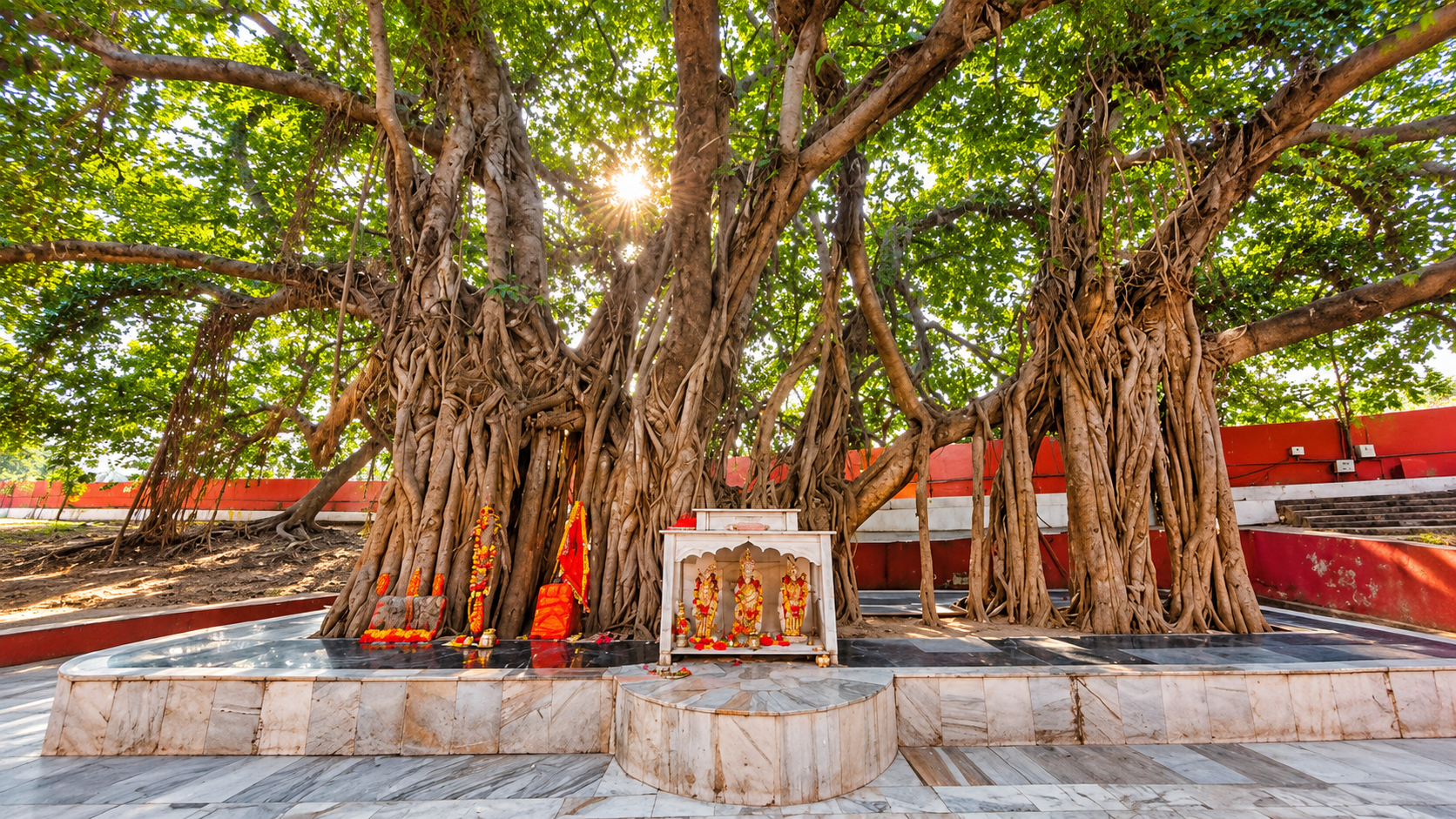
Akshay Vat, traditionally known as the immortal or eternal banyan tree, is located within the historic fort complex near the Yamuna.
The site holds deep religious significance in the traditional pilgrimage landscape of Prayagraj.
The official district tourism information notes that the sacred tree is located inside the fort and that access has historically been subject to permission arrangements. Prayagraj
Pilgrims should always check current access arrangements before planning their visit.

Patalpuri Temple
Located within the historic fort complex, Patalpuri Temple is another important pilgrimage attraction.
The underground temple is closely associated with the sacred Akshay Vat and forms part of the traditional religious landscape around the Sangam.
A visit to the fort area can therefore combine pilgrimage, mythology and history in one experience.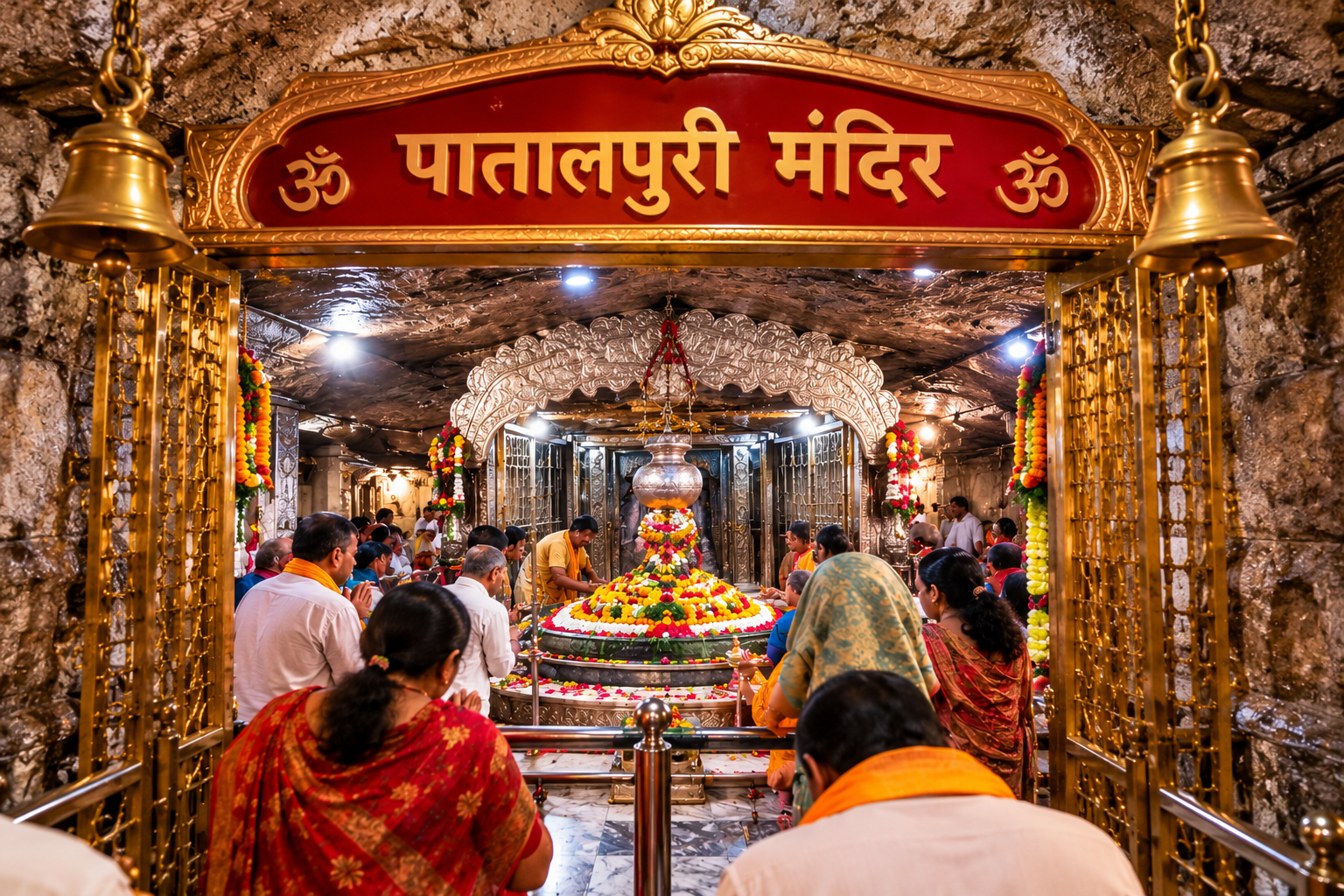
Mankameshwar Temple
Situated near the Yamuna and Minto Park area, Mankameshwar Temple is an important Shiva temple in Prayagraj.
The temple is associated with traditional legends and is visited by devotees seeking the blessings of Lord Shiva.
Its riverside setting adds to the spiritual atmosphere.


Veni Madhav Temple
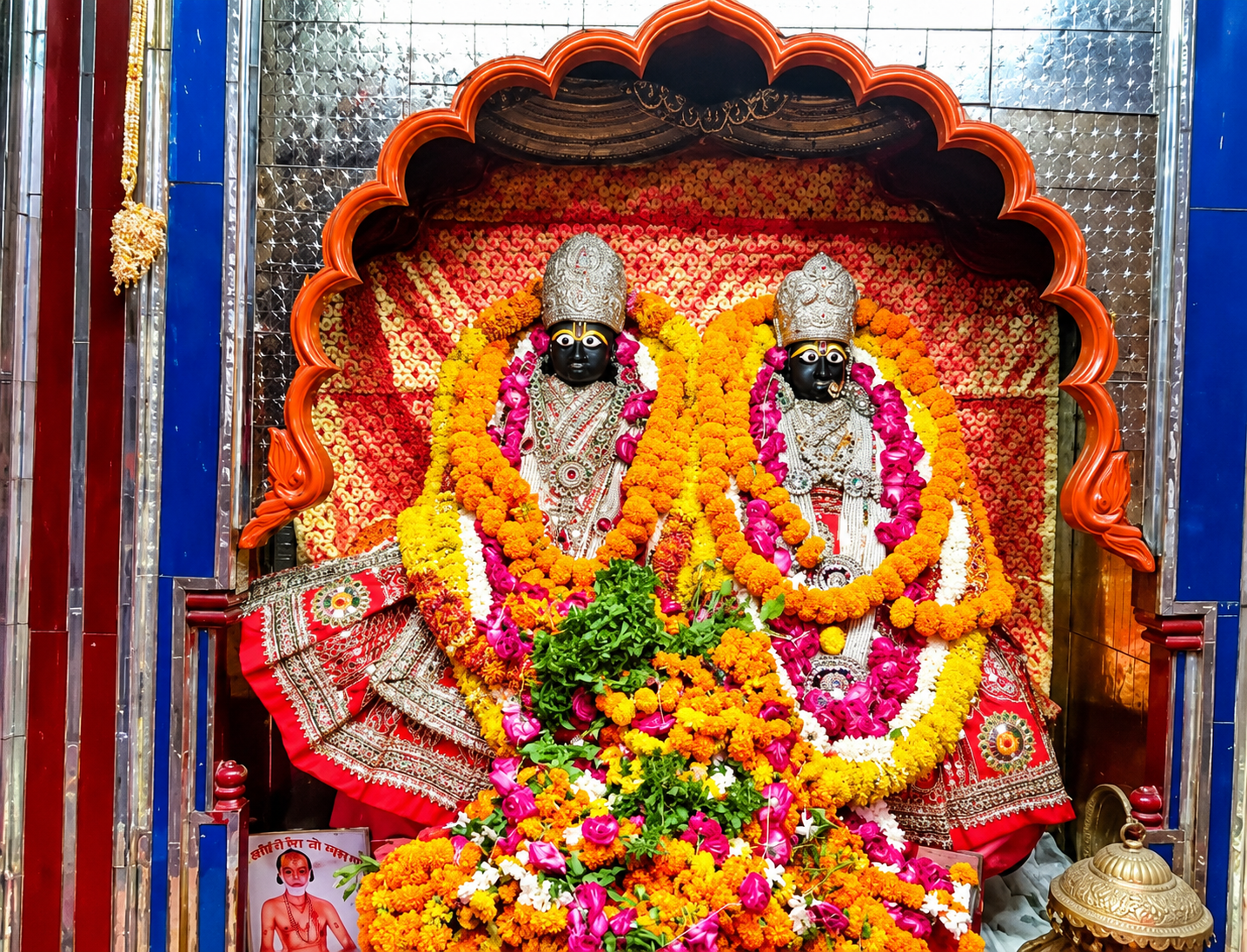
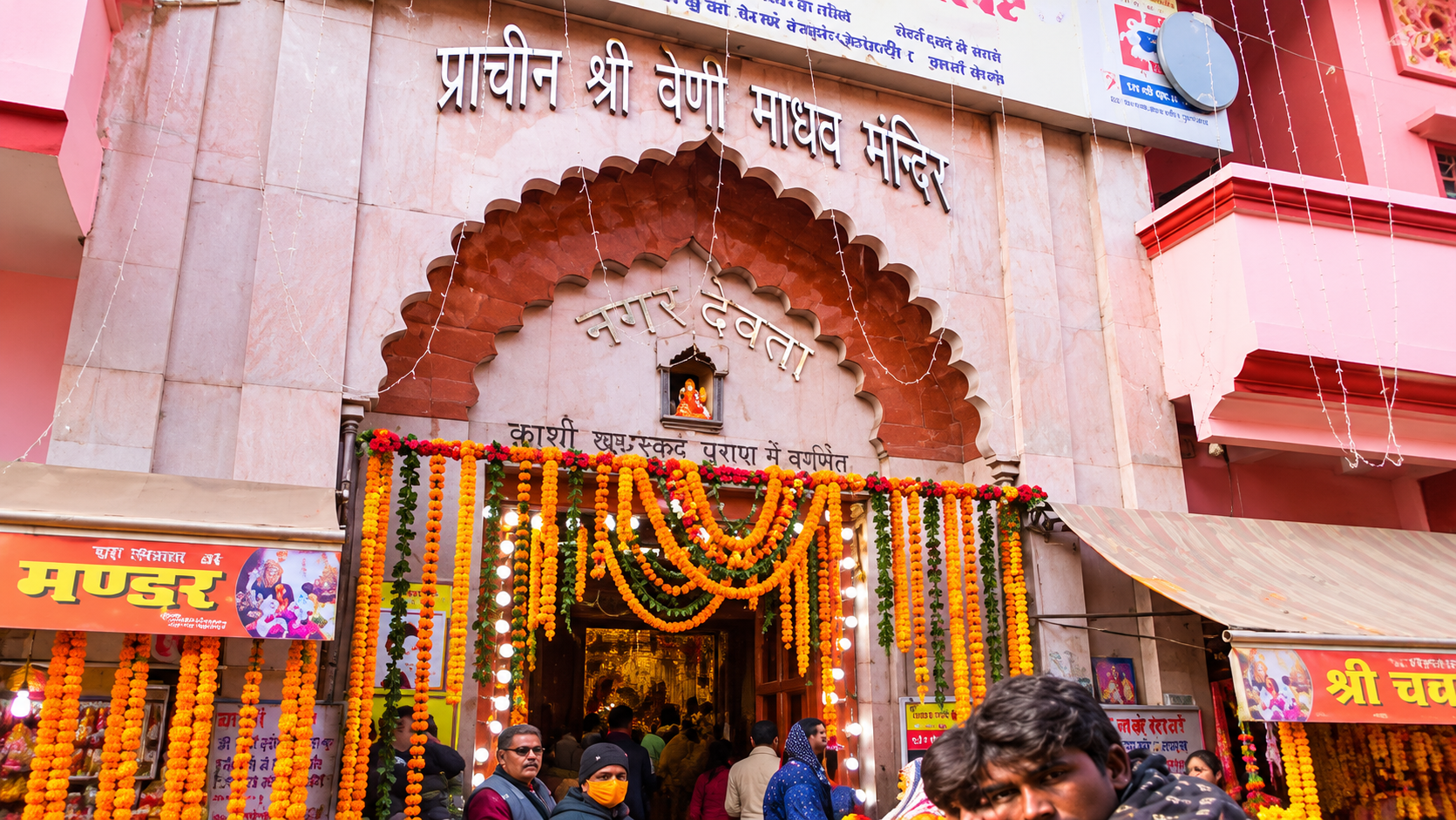
Veni Madhav Temple in Daraganj is an important Vaishnav pilgrimage site.
Prayagraj has traditionally been associated with multiple Madhav shrines, and Veni Madhav near the Sangam is particularly significant in the city's pilgrimage traditions. Prayagraj
Pilgrims interested in the traditional sacred geography of Prayag can include this temple along with Sangam and Bade Hanuman Ji.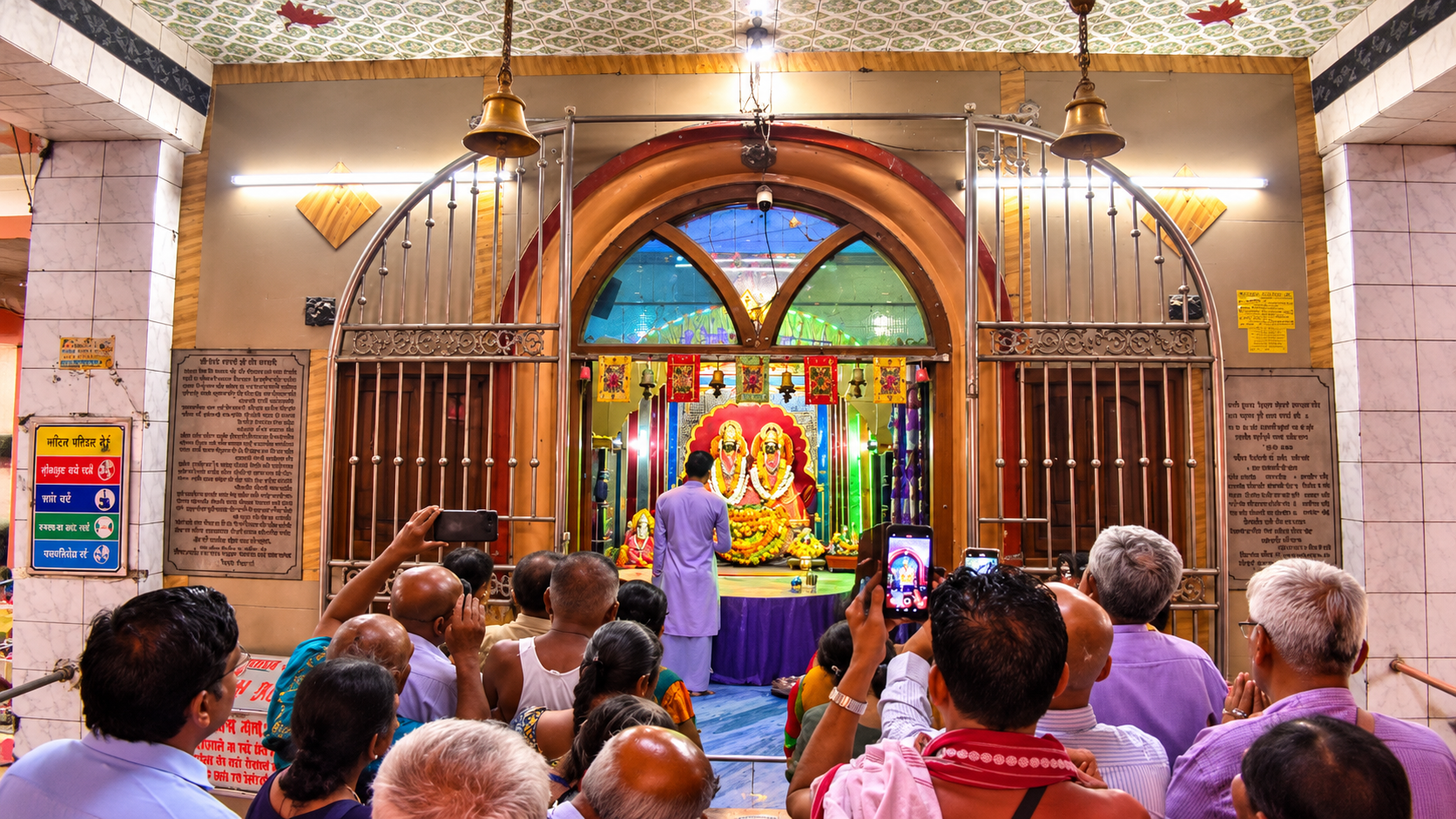
Alopi Devi Temple
Located in Alopibagh, Alopi Devi Temple is traditionally regarded as an important Shakti pilgrimage site.
The temple is associated with the Shakti Peeth tradition and attracts devotees, particularly during Navratri.
Its unusual sanctum and distinctive form of worship make it a fascinating stop on a Prayagraj pilgrimage journey. Prayagraj


Nag Vasuki Temple
Located near the Ganga in the Daraganj area, Nag Vasuki Temple is another important religious destination.
The temple complex includes representations of Nag Raj and other deities and is particularly associated with Nag Panchami celebrations. Prayagraj


Bhardwaj Ashram
The ancient Bhardwaj Ashram is connected with the traditions surrounding Maharishi Bharadwaj.
The present pilgrimage site includes temples and images associated with the sage and other deities.
It is especially interesting for travellers who want to explore the wider mythological and spiritual landscape of Prayag beyond the Sangam itself. Prayagraj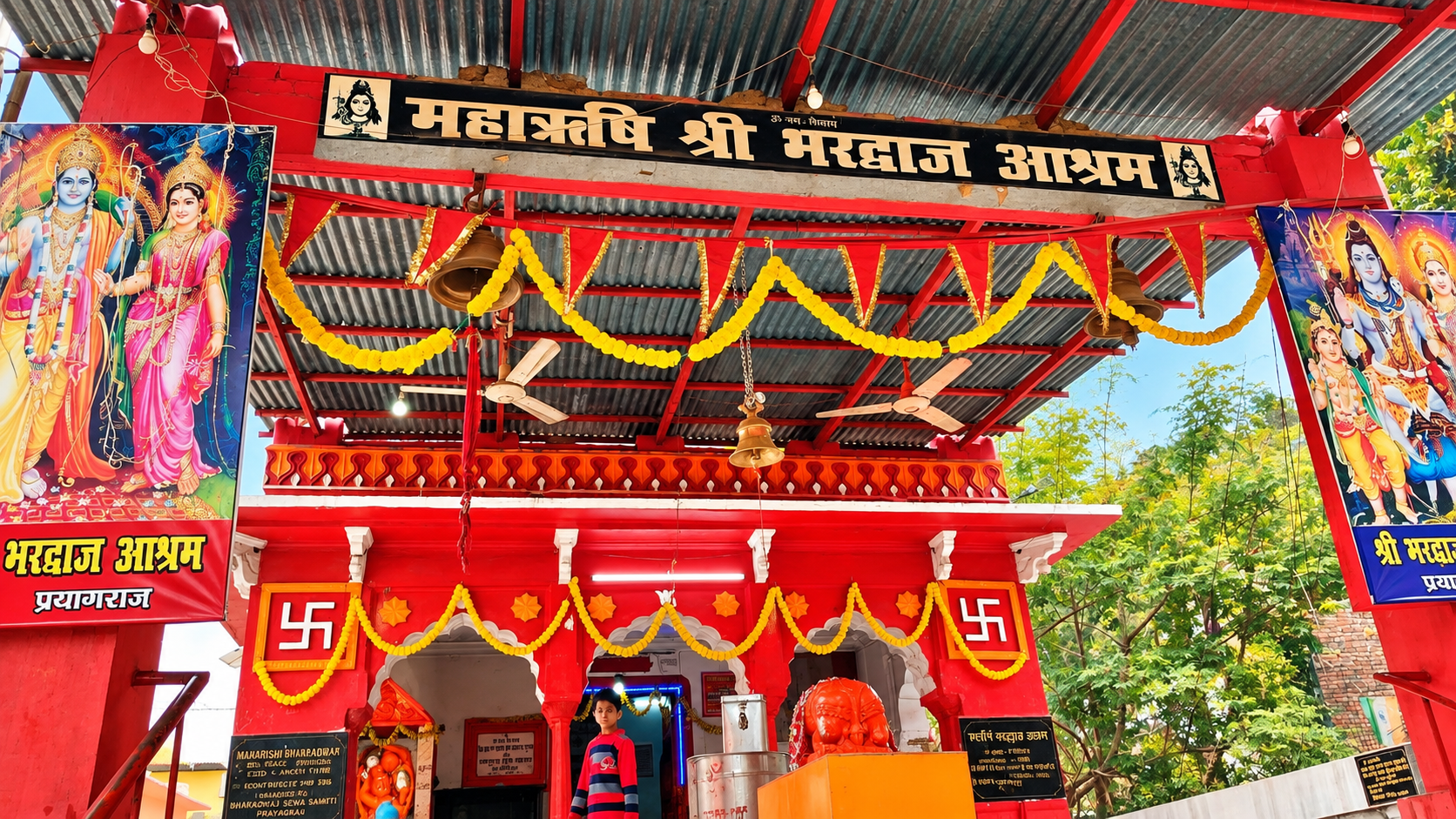
Shankar Viman Mandapam
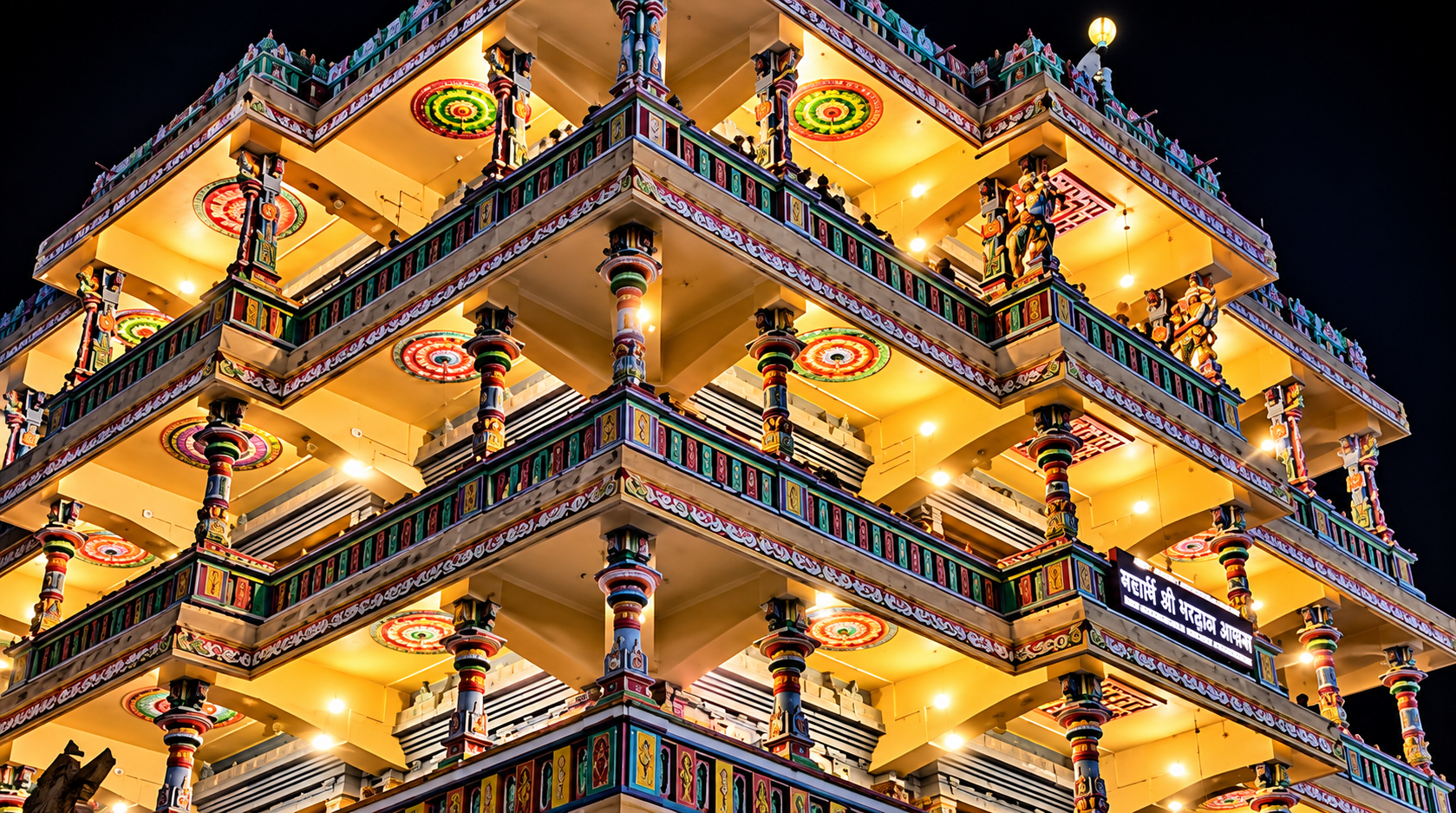
Situated near the Sangam, Shankar Viman Mandapam is a striking multi-storey temple built in the Dravidian architectural style.
The temple contains shrines associated with Kamakshi Devi, Lord Balaji and Lord Shiva and offers another dimension to the spiritual and architectural experience of Prayagraj. Prayagraj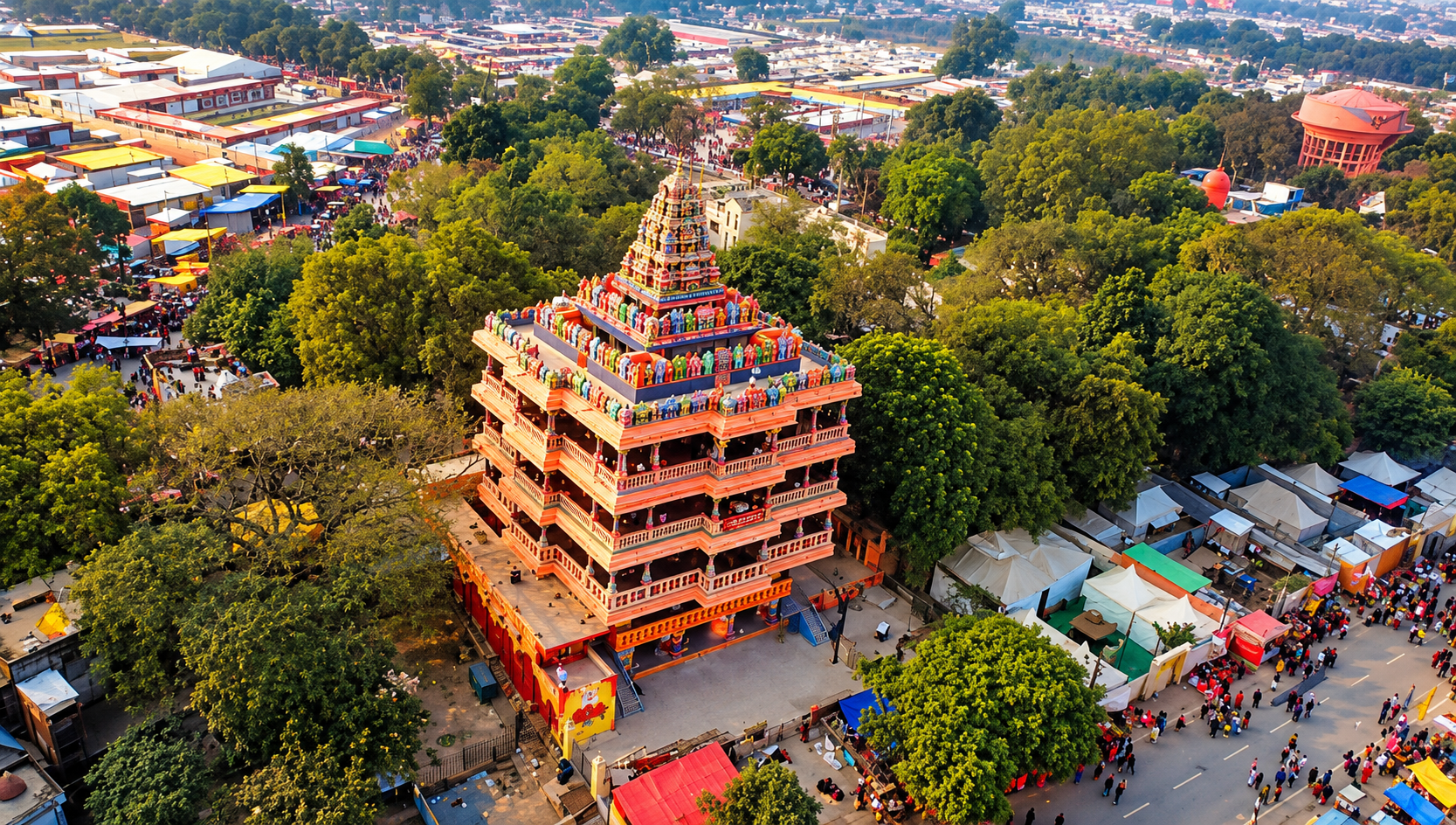
Prayagraj Pilgrimage Tour – Suggested 3 Days
DAY 01 – ARRIVE PRAYAGRAJ
Arrive in Prayagraj and transfer to your hotel.
After check-in and some time to relax, visit Bade Hanuman Ji Temple and explore the nearby Daraganj pilgrimage area.
Continue to Veni Madhav Temple and, depending on time, visit Nag Vasuki Temple.
Return to the hotel.
Overnight: Prayagraj
DAY 02 – TRIVENI SANGAM & MAJOR PILGRIMAGE SITES
Early morning, proceed to Triveni Sangam.
Enjoy a traditional boat ride towards the confluence and, according to your personal religious practice, participate in Sangam Snan and prayers.
After the Sangam visit, return for breakfast.
Later visit:
- Akshay Vat
- Patalpuri Temple, subject to access
- Mankameshwar Temple
- Shankar Viman Mandapam
Return to the hotel.
Overnight: Prayagraj “For families and elderly travellers, comfortable pilgrimage tours can be arranged with private transfers and a relaxed pace.”
DAY 03 – TEMPLE & SPIRITUAL HERITAGE TOUR
After breakfast, visit Alopi Devi Temple and Bhardwaj Ashram.
Depending on the departure schedule, you may have free time for additional temple visits or local shopping.
Later transfer to Prayagraj Airport or Railway Station for your onward journey.
Tour Ends with Blessed Memories of Prayagraj. “Those planning a longer India pilgrimage tour can combine Prayagraj with Ayodhya and Varanasi.”
Suggested 4-Day Prayagraj Pilgrimage Tour
For senior citizens and families, I recommend 4 days rather than 3 days.
The additional day allows the itinerary to be slower and more comfortable, with additional time for:
- Sangam
- Temple darshan
- Local markets
- Additional Madhav temples
- Shakti pilgrimage
- Spiritual experiences
- Rest
This makes the journey more suitable for families travelling with elderly parents.
Prayagraj + Ayodhya Pilgrimage
Prayagraj can also be combined with Ayodhya for a longer pilgrimage journey.
A popular circuit can be:
Prayagraj → Ayodhya → Varanasi
This creates a strong spiritual itinerary covering some of North India's most important pilgrimage destinations.
Prayagraj + Chitrakoot Pilgrimage
Another excellent combination is:
Prayagraj → Chitrakoot → Ayodhya
This option is particularly attractive for pilgrims interested in the Ramayana-associated traditions and sacred landscapes of Uttar Pradesh.
Best Time for a Prayagraj Pilgrimage
The cooler months from October to March are generally comfortable for temple visits and outdoor sightseeing.
For major religious gatherings such as Magh Mela and Kumbh, dates should be planned well in advance because accommodation, transportation and local movement can become significantly more demanding.
The Sangam and Kumbh traditions are central to Prayagraj's identity, with the district administration describing the city as a major pilgrimage centre. Prayagraj
How to Reach Prayagraj
By Air
Prayagraj is connected by air, making it convenient for travellers arriving from major Indian cities.
By Train
Prayagraj is one of North India's important railway centres and has multiple railway stations.
By Road
The city is well connected by national and state highways and can easily be incorporated into a North India pilgrimage circuit. The official district administration describes Prayagraj as well connected by road to major cities across Uttar Pradesh and India. Prayagraj
Prayagraj Pilgrimage Travel Tips
Start Early
Begin Sangam and temple visits early whenever possible.
Wear Comfortable Clothing
Temple visits and riverside sightseeing involve walking, so comfortable and respectful clothing is recommended.
Plan Senior-Friendly Sightseeing
For elderly travellers, avoid packing too many temples into one day.
Keep Cash & Essentials
Small offerings, local transportation and temple-related expenses may require cash.
Check Temple Timings
Temple opening hours and access arrangements can vary, particularly around festivals.
Book Early During Festivals
During major religious gatherings, accommodation and transportation should be reserved well in advance.
Frequently Asked Questions
Why is Prayagraj famous for pilgrimage?
Prayagraj is famous primarily for the sacred Triveni Sangam and its long-standing association with Hindu pilgrimage traditions. Prayagraj
How many days are enough for Prayagraj?
2 nights / 3 days is suitable for the main pilgrimage highlights. 3 nights / 4 days is better for families and senior citizens.
What are the most important places to visit?
The key pilgrimage attractions include Triveni Sangam, Bade Hanuman Ji Temple, Akshay Vat, Patalpuri Temple, Mankameshwar Temple, Veni Madhav Temple, Alopi Devi Temple, Nag Vasuki Temple and Bhardwaj Ashram. Prayagraj
Is Prayagraj suitable for senior citizens?
Yes. A private pilgrimage itinerary can be designed with comfortable hotels, private transportation, slower sightseeing and adequate rest periods.
Can Prayagraj be combined with Ayodhya and Varanasi?
Yes. Prayagraj works very well as part of a Prayagraj–Ayodhya–Varanasi pilgrimage circuit.
Experience a Sacred Journey to Prayagraj
Prayagraj is a destination where rivers, faith, mythology and centuries-old pilgrimage traditions come together.
From the peaceful waters of Triveni Sangam to the revered Bade Hanuman Ji Temple, from Akshay Vat and Patalpuri to the ancient temples of Daraganj, every part of the city adds another layer to the pilgrimage experience.
Whether you are travelling alone, with family, with elderly parents or as part of a larger pilgrimage group, a thoughtfully planned Prayagraj pilgrimage can become a deeply meaningful journey.
“Start planning your next spiritual journey in India with Divine Discovery Tours.”
Plan Your Prayagraj Pilgrimage
Triveni Sangam • Bade Hanuman Ji • Akshay Vat • Veni Madhav • Mankameshwar • Alopi Devi • Nag Vasuki
Divine Discovery Tours – Pilgrimage & Heritage Journeys