South India is home to some of India’s most celebrated pilgrimage centres, ancient temple towns and living spiritual traditions. A thoughtfully planned journey can connect Tirupati, Kanchipuram, Chidambaram, Thanjavur, Trichy, Madurai, Rameswaram, Kanyakumari and important destinations in Kerala. The best route, however, depends on how many days you have, which temples matter most to you and how comfortably you prefer to travel.
A private pilgrimage tour gives families and small groups greater flexibility over the daily schedule, vehicle, hotel category and sightseeing pace. This guide explains how to plan a South India private pilgrimage, choose a suitable duration and prepare for temple visits. For ready-made route options, explore the South India Pilgrimage Tour Packages by Divine Discovery Tours.
1. Decide how much time you can spend
The first step is to choose a realistic duration. South India’s temple destinations are spread across large distances, and road journeys can take longer during traffic, festivals, monsoon weather or local diversions. Avoid selecting a route only by counting temples; allow enough time for darshan, rest, meals and transfers.
A short temple-focused journey
A 9 Nights / 10 Days itinerary can cover a selection of major destinations, depending on the final route and arrival/departure cities. It is suitable for travellers who want a structured introduction to South India’s temple heritage without attempting every major temple town.
View the Temple Treasures of South India – A Spiritual Odyssey (9 Nights / 10 Days).
A more detailed Tamil Nadu and Kerala journey
A 13 Nights / 14 Days programme gives travellers more time to include additional temple towns and heritage stops. The exact sequence should be checked against the published itinerary, hotel nights and departure arrangements before booking.
Explore Heritage & Divinity: Complete South India Temple Experience (13 Nights / 14 Days).
An extended South India pilgrimage
A 20 Nights / 21 Days journey can combine a wider range of sacred destinations with selected cultural and regional experiences. It is best suited to travellers who have sufficient time and prefer a broader itinerary rather than a rushed temple checklist.
Discover Divine Temples & Shrines of South India (20 Nights / 21 Days).
2. Choose the temples and destinations that matter most
Not every traveller needs the same route. Some families prioritise Tirupati Balaji and Rameswaram, while others want to explore the great temple architecture of Tamil Nadu or extend their pilgrimage into Kerala. Discuss your priority temples before the route is finalised.
Tirupati and Tirumala
Sri Venkateswara Swamy Temple at Tirumala is a major pilgrimage destination. Darshan slots, reporting times, entry rules and accommodation arrangements are governed by Tirumala Tirupati Devasthanams and can change. Check current instructions through official TTD channels before travel. Read our Tirupati Balaji Temple Guide: Darshan & Travel Tips for planning information.
Kanchipuram and Mahabalipuram
Kanchipuram is known for its historic temples, including Kamakshi Amman and Ekambareswarar. Nearby Mahabalipuram offers the Shore Temple, Pancha Rathas and other celebrated Pallava monuments. These destinations combine pilgrimage with architectural heritage.
Chidambaram, Kumbakonam and Thanjavur
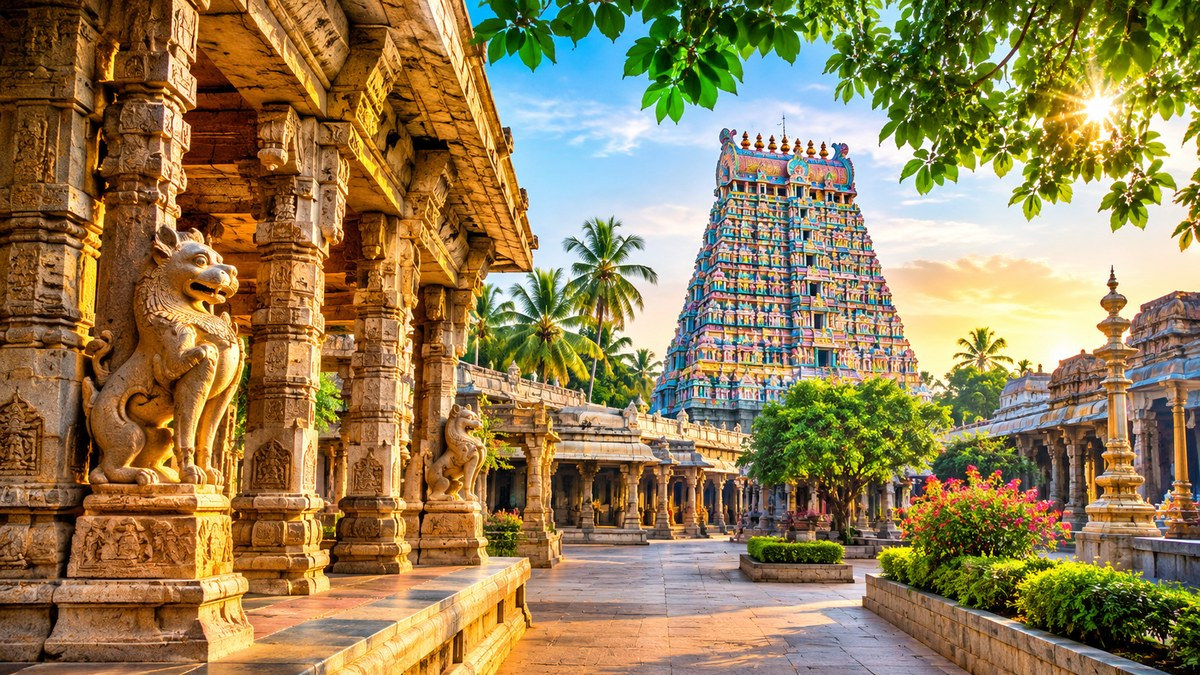
The Nataraja Temple at Chidambaram, the temple circuit around Kumbakonam and the monumental Brihadeeswarar Temple at Thanjavur are important stops for travellers interested in Tamil Nadu’s sacred and cultural history. The number of temples visited in a day should be kept practical.
Trichy and Madurai
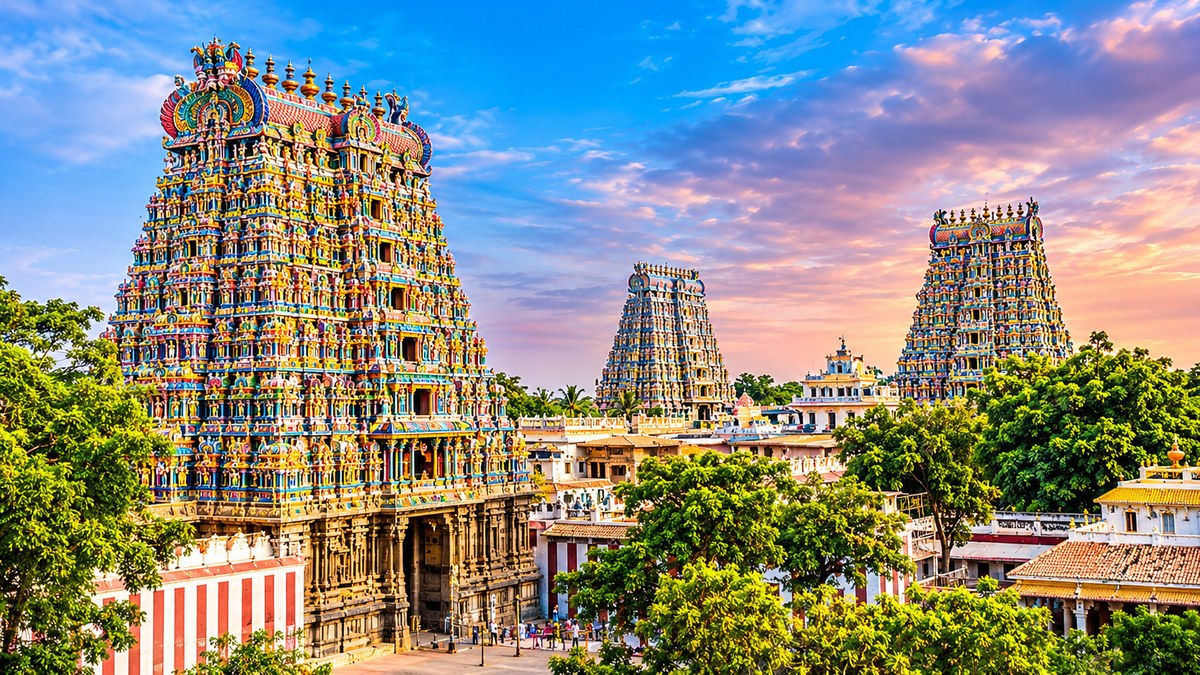
Trichy is associated with the Sri Ranganathaswamy Temple at Srirangam and Jambukeswarar Temple at Thiruvanaikaval. Madurai is renowned for Meenakshi Amman Temple. Temple opening hours, special poojas and festival schedules should be checked close to the travel date.
Rameswaram and Dhanushkodi
Ramanathaswamy Temple is one of the most important pilgrimage sites in Rameswaram and is associated with the Char Dham tradition. Dhanushkodi can be added when road access, weather and local conditions permit. Allow adequate time for the temple visit and local transfers.
Kanyakumari and Kerala
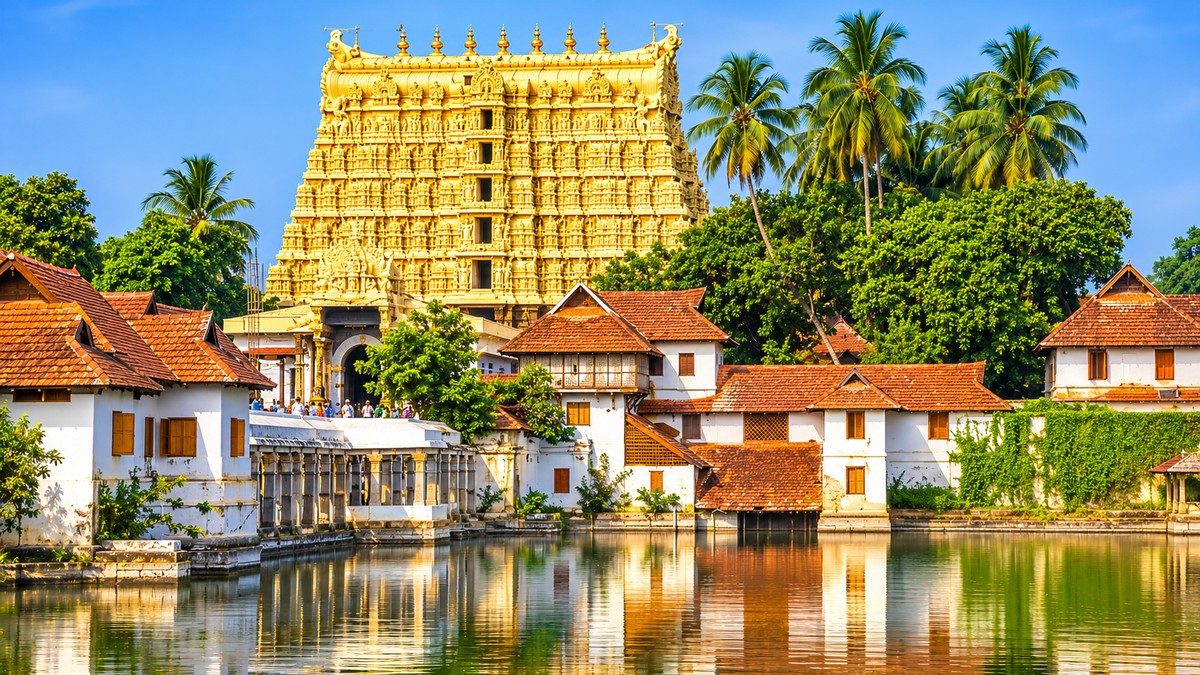
Kanyakumari offers a distinctive coastal pilgrimage setting, while Trivandrum is home to Sree Padmanabhaswamy Temple. Guruvayur is another important Kerala pilgrimage destination. Each temple has its own entry procedures and dress requirements, so verify these before departure.
3. Plan a comfortable route instead of rushing
A well-designed itinerary groups nearby destinations and avoids unnecessary backtracking. Your arrival and departure cities also influence the route. Chennai is a common gateway for Tamil Nadu temple journeys, while Bengaluru, Kochi or Trivandrum may suit selected regional itineraries.
- Keep long intercity drives limited where possible and schedule rest breaks.
- Avoid planning several major temple visits immediately after a long arrival journey.
- Allow buffer time for queues, traffic, weather and local restrictions.
- Confirm the final hotel-night count and departure transfer before paying an advance.
- If flights are part of the plan, check flight timings before locking the road itinerary.
4. Consider the needs of senior citizens
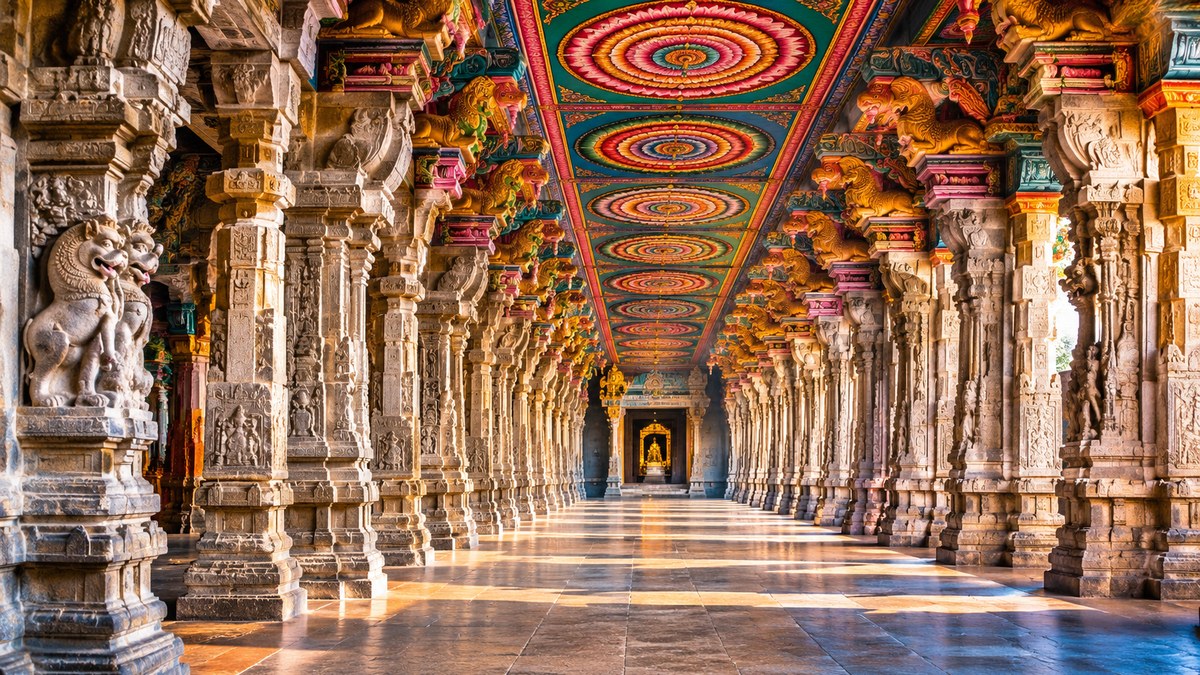
For senior travellers, the best itinerary is not necessarily the one that covers the most temples. Consider shorter sightseeing days, conveniently located hotels, a suitable vehicle, rest periods and realistic walking expectations. Some temple complexes have steps, long corridors, queues or uneven surfaces. Private transport can improve flexibility, but it cannot remove all walking or waiting requirements.
Share mobility considerations, dietary preferences and any assistance requirements with the tour planner before confirming the booking. Temple access arrangements are controlled by the temple authorities and should never be assumed.
5. Understand what affects the package price
The price of a private South India pilgrimage depends on travel dates, group size, hotel category, vehicle type, route, meal plan and inclusions. Peak festival dates and school holidays can affect hotel and transport availability. A useful quotation should clearly mention:
- Hotel names or confirmed hotel category and room configuration.
- Vehicle type, service hours and any kilometre or usage limits.
- Whether breakfast, dinner or other meals are included.
- Sightseeing and local guide arrangements, if applicable.
- Tolls, parking, driver allowance, state taxes and other applicable charges.
- Whether flights, train tickets, temple tickets, special darshan or pooja are included or excluded.
Do not assume that temple darshan tickets are part of a tour package unless they are specifically listed and confirmed in writing. Availability and rules are controlled by the respective temple authorities.
6. Best time to travel
November to March is generally a popular period for many South India temple journeys, but regional weather varies. Tamil Nadu can experience northeast monsoon rainfall around October to December, while Kerala’s monsoon seasons can affect road travel and outdoor sightseeing. Summer months can be hot in inland destinations. Check local weather and festival calendars for your actual travel dates.
7. Why consider a private pilgrimage tour?
A private tour can be useful when your group wants control over the pace, hotel preferences, sightseeing priorities and arrival/departure arrangements. It is especially helpful for families travelling together or visitors who want to combine temple visits with heritage experiences. Divine Discovery Tours plans customised pilgrimage and heritage journeys with private transport and accommodation options, subject to the final quotation and availability.
Frequently asked questions
How many days are enough for a South India pilgrimage?
A selected temple circuit may fit into around 9–10 days. A broader route can require 13–14 days, while an extended journey across several regions may need 20–21 days or more. The right duration depends on the route and travel pace.
Can Tirupati, Madurai and Rameswaram be included in one tour?
Yes. These destinations can be combined in a private itinerary. The sequence and number of nights should be planned around the confirmed darshan arrangements and the arrival/departure cities.
Are private South India pilgrimage tours suitable for senior citizens?
They can be customised with rest periods, suitable hotels and private transport. Discuss mobility and walking requirements in advance because temple access conditions vary.
Are darshan tickets included in the package?
Only if the written quotation specifically confirms them. Darshan availability and entry rules are controlled by the respective temple authorities and may change.
Can the tour start from Delhi, Mumbai, Kolkata or Bangalore?
Yes, subject to suitable flight or rail connections and the selected route. The arrival and departure cities should be confirmed before the final itinerary and quotation are prepared.
Plan your South India pilgrimage with Divine Discovery Tours
Whether you are planning a short temple-focused holiday or an extended pilgrimage, start with the destinations that matter most to your family. Share your travel dates, number of travellers, arrival and departure cities, preferred hotel category and priority temples. Divine Discovery Tours can then prepare a customised proposal for your consideration.
Explore our South India Pilgrimage Tour Packages or contact our team on +91 92206 52020.